The Trick to Eating Healthy by Preserving Foods

Eating a diet rich in fresh fruits and vegetables is essential for maintaining good health, but with the growing season being so short in many parts of the country, it can be a challenge to enjoy farm-fresh produce year-round. Fortunately, there are a number of ways to preserve the bounty of the harvest so that you can enjoy the taste of summer all year long.

Canning is one of the oldest and most popular methods of preserving food. The process involves heating jars of food to a high temperature to kill any microorganisms that may be present, and then sealing the jars to create an airtight environment. This prevents any new microorganisms from entering and spoiling the food. Canning is a great way to preserve fruits, vegetables, and even meats, and it is relatively easy to do at home with the right equipment.

Another way to preserve food is through smoking. This is a technique that has been used for centuries to preserve fish, meats, and other foods. Smoking uses heat and smoke to dry out the food and remove any moisture that may cause spoilage. It also imparts a unique, smoky flavor to the food that many people find delicious. Smoking can be done at home using a smoker or a barbecue pit.

Dehydrating is another way to preserve food. This process removes the moisture from fruits, vegetables, and meats, making them much more shelf-stable. Dehydrated foods can last for months or even years, making them a great option for people who want to have a variety of foods on hand without taking up a lot of space. Dehydrating can be done at home using a dehydrator or by drying food in an oven or in the sun.

Fermenting is also a great way to preserve food, and the process of fermentation not only preserves the food, but it also increases the nutritional value. Fermenting is the process of allowing beneficial bacteria to grow on food. This process can be used to make sauerkraut, kimchi, yogurt and many other fermented foods.

In addition to these methods of preserving food, you can also freeze or pickle fruits and vegetables, make jams and jellies, and even create your own dried herbs and spices. The key is to experiment with different methods and find the ones that work best for you and your family.

Preserving foods through canning, smoking, dehydrating or fermenting are great ways to enjoy the taste of farm-fresh fruits and vegetables all year long. These methods not only extend the shelf life of foods but also increase the nutritional value of the food. With a little creativity and a willingness to experiment, you can enjoy healthy, delicious meals made with farm-fresh produce no matter what the season.

From Gut Issues to Improved Immune Function: The Surprising Health Benefits of Sauerkraut

Fermented foods have been enjoyed for centuries, and for good reason. Not only do they add a delicious tangy flavor to meals, but they also provide numerous health benefits. One of the most popular fermented foods is sauerkraut, which is made from fermented cabbage.

Sauerkraut is a rich source of probiotics, which are beneficial bacteria that live in the gut and help to maintain a healthy balance of microflora. The probiotics in fermented foods like sauerkraut have been shown to improve digestion, boost the immune system, and even have a positive impact on mental health. In addition, sauerkraut is a good source of Vitamin C, Vitamin K, and other essential nutrients.

One of the key benefits of sauerkraut and other fermented foods is that they are rich in probiotics. Probiotics are beneficial bacteria that live in the gut and help to maintain a healthy balance of microflora. They have been shown to improve digestion, boost the immune system, and even have a positive impact on mental health. Studies have also shown that consuming fermented foods can help to reduce inflammation in the body, which is a risk factor for many chronic diseases.

Another benefit of fermented foods like sauerkraut is that they are rich in enzymes. Enzymes are proteins that help to break down food and aid in digestion. When food is fermented, the enzymes present in the food are activated, making it easier to digest. This can be especially beneficial for those who have digestive issues.

Fermented foods are also a great way to add variety to your diet. They can be used as a condiment, side dish, or even as an ingredient in recipes. This can help to keep meals interesting and flavorful, which can make sticking to a healthy diet more enjoyable.

Making sauerkraut at home is a simple and satisfying process that allows you to control the ingredients and the level of fermentation. You will need a few basic tools, such as a large glass jar, a weight (such as a small plate or a clean rock), and a clean kitchen towel or cheesecloth.

Here is a basic recipe for homemade sauerkraut:

Ingredients:

  • 1 head of green cabbage
  • 1 tablespoon of sea salt
  • Optional: caraway seeds, juniper berries, or other spices

Instructions:

  1. Start by sterilizing your equipment and utensils. To do this, wash them with hot soapy water, then rinse with boiling water.
  2. Remove the outer leaves of the cabbage and discard them. Cut the cabbage into thin slices, removing the core as you go.
  3. In a large bowl, mix the cabbage with the sea salt and any additional spices you choose. Use your hands to massage the salt into the cabbage, releasing the liquid.
  4. Pack the cabbage and its liquid into the glass jar, leaving about an inch of space at the top. Press the cabbage down with a weight to keep it submerged under the liquid.
  5. Cover the jar with a clean kitchen towel or cheesecloth and secure it with a rubber band or string.
  6. Place the jar in a warm spot in your kitchen, away from direct sunlight. The ideal fermentation temperature is between 68-75°F.
  7. Allow the sauerkraut to ferment for about 1-4 weeks, depending on your taste preference. Check on it daily and skim off any mold that may form on the surface.
  8. After fermentation is complete, store the sauerkraut in the refrigerator. It will keep for several months.

Enjoy your homemade sauerkraut as a side dish, or add it to sandwiches, salads, or soups for a tangy boost of flavor and nutrition. With a little time and patience, you can easily make your own delicious and healthy fermented foods at home.

Get a Rise Out of Better Health: The Surprising Benefits of Baking Your Own Sourdough Bread

Sourdough bread has been enjoyed by people for thousands of years, and for good reason. Not only is it delicious, but it also offers a number of health benefits that make it a great choice for those looking to improve their diet. In this article, we will explore the benefits of sourdough bread and why it should be a staple in your kitchen.

The first benefit of sourdough bread is that it is made with wild yeast and bacteria, which are naturally occurring microorganisms found in the environment. These microorganisms ferment the dough and create lactic acid and acetic acid, which gives sourdough bread its distinctive tangy flavor. This fermentation process also makes sourdough bread much easier to digest than other types of bread. The acidity of the dough and the long fermentation time breaks down the gluten and makes it much more easily digestible for people with gluten sensitivities or intolerances.

Another benefit of sourdough bread is that it is a good source of nutrients. Sourdough bread is made with whole grains, which are rich in vitamins, minerals, and antioxidants. Whole grains have been shown to lower the risk of heart disease, diabetes, and certain types of cancer. Sourdough bread is also a good source of fiber, which is important for maintaining a healthy digestive system.

Sourdough bread is also a good source of probiotics. Probiotics are beneficial bacteria that live in the gut and help to maintain a healthy balance of gut bacteria. The fermentation process in sourdough bread creates probiotics that can help to improve digestion, boost the immune system, and even reduce the risk of certain diseases.

Sourdough bread is also a good choice for those looking to maintain a healthy weight. Sourdough bread is less refined and processed than other types of bread, which means that it is lower in calories and has a lower glycemic index. This means that it is less likely to cause spikes in blood sugar levels, which can lead to weight gain.

Sourdough bread offers a number of health benefits that make it a great choice for those looking to improve their diet. Its unique fermentation process makes it easier to digest, and it is a good source of nutrients, probiotics, and fiber. Sourdough bread is also a good choice for those looking to maintain a healthy weight. So next time you’re at the bakery, opt for a loaf of sourdough bread, and enjoy the delicious taste and health benefits that it has to offer.

Here is a sourdough bread recipe that we use at Three Daughters Farm:

(makes 2 loaves)

  • 1000g flour (can use combined flours we like 700g all purpose or bread, and 300g rye)
  • 715g water
  • 200g active sourdough starter (leaven) make sure your leaven has doubled in size to achieve rise for bread!
  • 28g salt

Mix water and leaven together until milky. Add flour and knead. Leave the dough to sit covered for 30 minutes (autolyse). With a wet hand, add salt and begin a process of “stretch and folds.” Every half hour for 2 hours, in the bowl, stretch the dough out and fold it over itself, then give it a 1/4 turn. Let the dough sit for 2-4 hours. Turn dough out onto counter and shape.  Flour your proofing baskets and place each formed dough into the basket. Put it into the fridge for a cold ferment overnight, or simply leave on the counter until ready to bake; This can differ with how warm it is in the kitchen, by the wood stove, or if it is summer or winter. The best way to know is to do a poke test, poking your finger into the dough, if it springs back immediately, it isn’t ready yet. You want your dough to look bouncy and gently spring back when poked.

When you have determined its ready to bake, set your oven to 450 degrees F.

Flip your bread dough out of the proofing baskets onto a piece of parchment baking paper, be sure to score the top with a knife, kitchen scissors or a bread lame.

Bake covered in a dutch oven for 25 minutes then remove cover and bake for another 5-10 to achieve a nice golden color.

Wait 20 minutes before cutting! Enjoy!

Enjoy the health benefits of farm fresh foods in these 3 simple recipes

Eating healthy is crucial for maintaining a strong and balanced body, but it can be challenging to make the right choices in today’s fast-paced world where convenience often trumps nutrition. However, by sticking to farm-fresh foods, you can make healthy eating choices that not only nourish your body but also support local farmers and the environment.

Farm-fresh foods are those that are grown or raised on a farm, and are often more nutrient-dense than their store-bought counterparts. These foods are free from preservatives, chemicals, and other harmful ingredients that are often found in processed foods. By consuming farm-fresh foods, you can be sure that you are getting the most nutritious and natural food possible.

One of the biggest benefits of eating farm-fresh foods is that they are often more nutrient-dense than store-bought foods. For example, fresh eggs from chickens that are raised on a farm are rich in omega-3 fatty acids, vitamin D, and choline, all of which are essential for brain health and development. Fresh milk from goats is also a great source of calcium, potassium, and vitamin A. Fruits and vegetables that are grown on a farm are picked at the peak of ripeness, and are rich in vitamins, minerals, and antioxidants.

Another benefit of eating farm-fresh foods is that they are often more sustainable than foods that are transported long distances. By supporting local farmers, you can reduce the carbon footprint of your food and help to conserve natural resources. Additionally, by purchasing directly from farmers, you can be sure that the food you are eating is grown using environmentally friendly practices.

Lastly, Eating farm-fresh foods can be a great way to make healthy eating choices on a budget. By purchasing directly from farmers, you can often get the same quality of food at a lower cost than you would at a grocery store. Also, by buying in bulk, you can save money while reducing packaging waste.

By sticking to farm-fresh foods, you can make healthy eating choices that nourish your body, support local farmers, and conserve natural resources. Eating farm-fresh foods can help you to appreciate the natural cycles of life and it can also help you to make healthy eating choices on a budget. By choosing farm-fresh foods, you can be sure that you are getting the most nutritious and natural food possible. Eating healthy is not only good for your body but also for the environment and the community.

Here are three recipes that you can make with produce seasonal to spring in Michigan.

Spring Vegetable Quinoa Salad

Ingredients:

  • 1 cup quinoa
  • 2 cups water
  • 1/2 cup diced asparagus
  • 1/2 cup diced radishes
  • 1/2 cup diced sugar snap peas
  • 1/4 cup chopped fresh parsley
  • 2 tbsp olive oil
  • 1 tbsp lemon juice
  • 1 tsp honey
  • Salt and pepper to taste

Instructions:

  1. Rinse quinoa in a fine mesh strainer. In a medium saucepan, bring quinoa and water to a boil. Reduce heat to low, cover, and simmer for 18-20 minutes, or until quinoa is tender and water has been absorbed. Remove from heat and fluff with a fork.
  2. While quinoa is cooking, blanch asparagus, radishes, and sugar snap peas in a pot of boiling water for 2-3 minutes, or until tender. Drain and rinse with cold water to stop the cooking process.
  3. In a large bowl, combine cooked quinoa, blanched vegetables, parsley, olive oil, lemon juice, honey, salt, and pepper. Toss to combine.
  4. Serve at room temperature or chilled.

Spring Risotto with Ramp and Peas

Ingredients:

  • 1 tbsp extra virgin olive oil
  • 1/2 cup diced ramp bulbs
  • 1/2 cup diced onions
  • 1 cup rice
  • 3 cups chicken or vegetable broth
  • 1/2 cup grated Parmesan cheese
  • 1/2 cup fresh peas
  • Salt and pepper to taste

Instructions:

  1. Heat olive oil in a large saucepan over medium heat. Add ramp bulbs and onions and sauté for 2-3 minutes, or until softened.
  2. Add arborio rice and stir for 1-2 minutes, or until the rice is translucent.
  3. Slowly add chicken or vegetable broth, one cup at a time, stirring constantly and allowing the broth to be absorbed before adding more.
  4. Once all of the broth has been added and the rice is tender, remove from heat and stir in Parmesan cheese, fresh peas, and salt and pepper to taste.

Strawberry Rhubarb Crisp

Ingredients:

  • 4 cups sliced strawberries
  • 2 cups sliced rhubarb
  • 1/2 cup granulated sugar
  • 2 tbsp cornstarch
  • 1 tsp vanilla extract
  • 1/2 cup rolled oats
  • 1/2 cup all-purpose flour
  • 1/2 cup brown sugar
  • 1/2 tsp ground cinnamon
  • 1/4 tsp salt
  • 1/4 cup unsalted butter, chilled and diced

Instructions:

  1. Preheat oven to 375F.
  2. In a large bowl, combine strawberries, rhubarb, sugar, cornstarch, and vanilla extract. Toss to combine.
  3. Pour mixture into a 9×13 inch baking dish.
  4. In a separate bowl, combine oats, flour, brown sugar, cinnamon, and salt. Cut in butter until mixture resembles coarse crumbs.
  5. Sprinkle oat mixture evenly over the fruit.
  6. Bake for 35-40 minutes, or until the fruit is bubbly and the topping is golden brown.
  7. Serve warm or at room temperature, topped with vanilla ice cream or whipped cream if desired.

Enjoy!

Advice for farming at the intersection of technology and agriculture

Agriculture is one of the oldest human pursuits, and over the centuries, farmers have been innovating and adapting to new technologies to increase their productivity and yields. Today, we are living in an era of rapid technological advancement, and the impact of technology on agriculture has never been more apparent.

To start, let’s take a look back at ancient times. In the early days of agriculture, farmers were dependent on simple tools such as hoes and plows, which were pulled by animals. They also relied on traditional methods such as crop rotation and companion planting to maintain soil fertility and protect their crops from pests. These methods were effective, but labor-intensive, and the yields were relatively low.

As time went on, the agricultural revolution of the 18th and 19th century brought about new technologies such as the seed drill and the threshing machine, which greatly increased the efficiency of planting and harvesting crops. These machines were powered by steam engines, which represented a major step forward in mechanization.

Fast forward to the 20th century, and the introduction of gasoline-powered tractors and other machinery revolutionized agriculture once again. These machines greatly increased the speed and efficiency of planting, cultivating and harvesting crops. They also allowed farmers to work larger plots of land, which increased productivity and yields.

In recent years, technology has continued to evolve at an unprecedented pace, and we have seen the introduction of precision agriculture and precision farming. Precision agriculture uses data and technology such as GPS mapping and remote sensing to create detailed maps of fields and manage inputs such as fertilizers, pesticides, and water. This precision farming approach allows farmers to use resources more efficiently and reduce waste, resulting in better crop yields and economic returns.

In addition, we also have seen the incorporation of advanced technologies such as drones, robots, and artificial intelligence in modern farming. Drones can be used for crop monitoring and imaging, robots for planting and harvesting, and AI for analyzing data and making predictions about weather, pests and crop growth patterns. These technologies are helping to make farming more efficient, cost-effective, and sustainable.

On the other hand…

As technology continues to advance at a rapid pace, it’s easy to believe that new technologies are always the key to solving problems and increasing efficiency in all industries, including agriculture. However, this is not always the case, and in some instances, age-old methods and equipment can be just as effective, if not more so, than modern technology.

For example, traditional farming methods such as crop rotation and companion planting have been used for centuries to maintain soil fertility and protect crops from pests. These methods are based on a deep understanding of the natural processes that govern plant growth and are less dependent on the use of chemicals.

Similarly, traditional animal breeds that have been adapted to local conditions and developed resistance to diseases over centuries, are now being overshadowed by new, genetically modified breeds. Research has shown that these traditional breeds are often more resilient and better suited to their local environments than their genetically modified counterparts.

The use of modern technology like pesticides and herbicides has been highly criticized in recent years for their negative impact on the environment and human health. These chemicals have been linked to the decline of pollinators such as bees and butterflies, and have been found to contaminate water sources and cause health problems for people living near agricultural areas.

In many cases, modern technology in agriculture has failed to improve upon age-old methods and equipment. Instead, it has led to increased dependence on chemicals and a loss of biodiversity. It’s important to remember that there is often value in traditional methods and equipment and that they should not be dismissed outright in favor of new technology.

Technology has played a vital role in the evolution of agriculture, and it continues to play an essential role in modern farming. From the simple tools used by ancient farmers to the advanced technologies of today, technology has enabled farmers to grow more crops, increase their yields, and reduce their costs. However, while technology has brought many benefits to agriculture, it’s essential to remember that age-old methods and equipment can still be highly effective.

How to set up your own sugarbush and make maple syrup at home

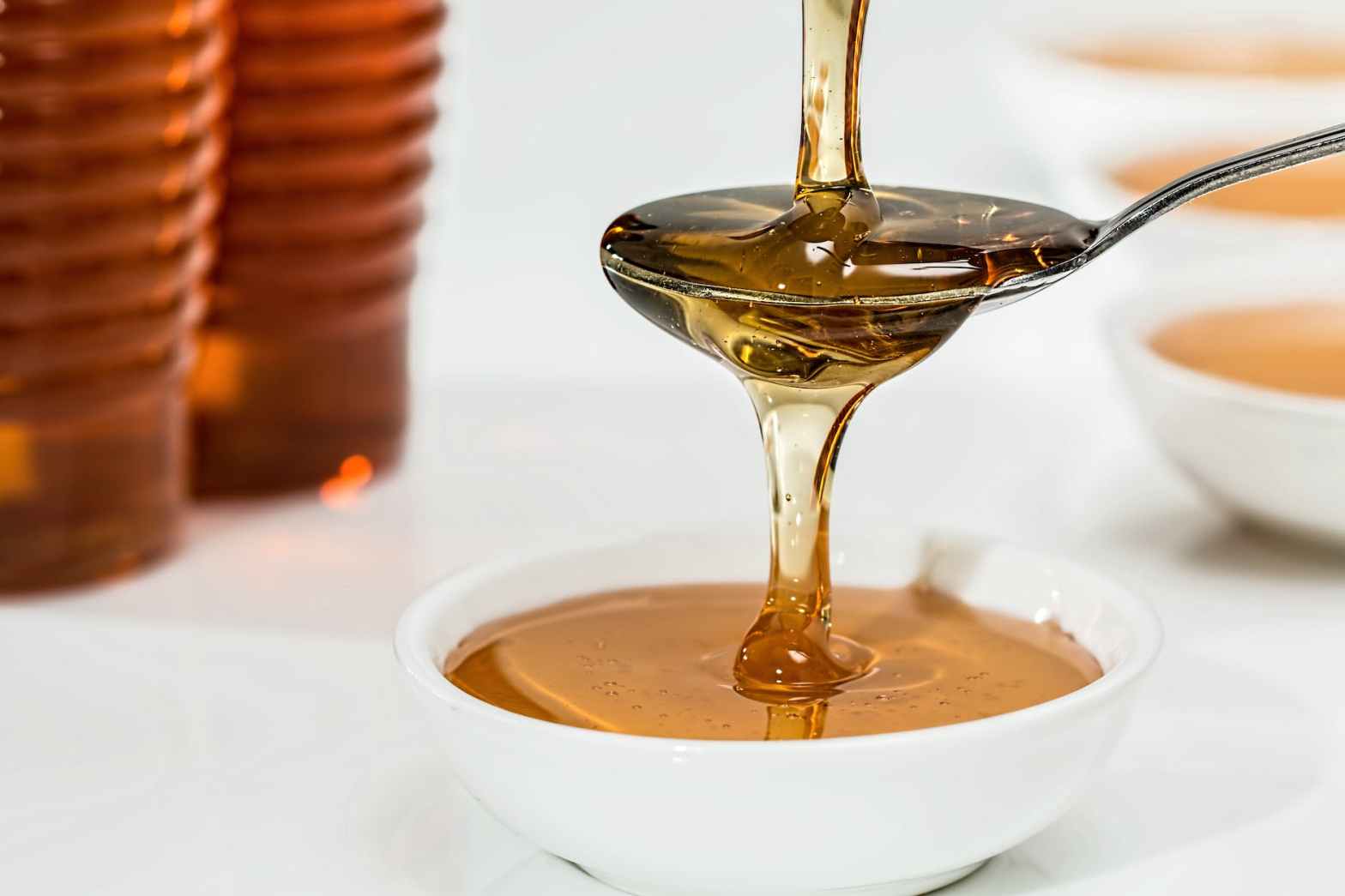
Starting a small maple syrup operation can be a fun and rewarding way to tap into the natural resources of your land and create a delicious and sought-after product. The process of making maple syrup involves tapping the sap of sugar maple trees, collecting it, and then boiling it down to create a concentrated syrup. Here is an overview of the equipment you will need to start your own small maple syrup operation.

First, you will need to have access to sugar maple trees. These trees are native to North America and can be found in many parts of the United States and Canada. They are typically found in hardwood forests and are identified by their smooth gray bark and three-lobed leaves.

Once you have identified the trees that you will be tapping, you will need to purchase or rent a tapping kit. This kit will include a drill, a tap, and a bucket or collection container. The drill is used to make a small hole in the tree, the tap is inserted into the hole, and the bucket or container is attached to the tap to collect the sap.

Next, you will need a way to transport the sap from the trees to your boiling location. This can be done using plastic or metal sap buckets or by using a sap collection system that pumps the sap directly from the tree to a holding tank.

Once you have collected the sap, you will need to boil it down to create the syrup. This can be done using a large outdoor evaporator or a smaller indoor stove-top setup. The evaporator or stove-top will need to be equipped with a heat source, such as a wood-fired or propane burner, and a large pan or container for the sap.

As the sap boils down, it will become more concentrated and will eventually turn into syrup. To test the syrup, you will need a syrup hydrometer or a sugar thermometer to determine when the syrup has reached the correct density and sugar content.

Finally, you will need bottles or containers to store and sell the syrup. Glass or plastic bottles with tight-fitting lids are the best option. You will also need labels to identify the syrup and any other necessary information, like the date it was bottled, the grade of syrup and where it is from.

There are several types of trees that produce sap that can be used to make maple syrup, but the most commonly used tree is the sugar maple (Acer saccharum). Other trees that can be used to make syrup include:

  • Black Maple (Acer nigrum): This tree is closely related to the sugar maple and produces sap with a similar sugar content. The syrup made from black maple sap is often darker and has a stronger flavor than syrup made from sugar maple sap.
  • Red Maple (Acer rubrum): This tree is also closely related to the sugar maple and produces sap with a lower sugar content. The syrup made from red maple sap is typically lighter in color and has a milder flavor than syrup made from sugar maple sap.
  • Silver Maple (Acer saccharinum): This tree is less commonly used for syrup production, but produces sap with a higher sugar content than the red maple. The syrup made from silver maple sap is typically light in color and has a milder flavor than syrup made from sugar maple sap.
  • Box Elder (Acer negundo): This tree is not as commonly used for syrup production as the sugar, black, red, and silver maple. The sap from the Box elder tree is watery and less sweet, but can be used to make syrup. The syrup made from Box elder sap is typically darker, has a stronger flavor and is less sweet than syrup made from sugar maple sap.

It’s important to note that the color and flavor of the syrup can also be affected by other factors such as the time of year the sap is collected, the weather conditions during collection, and how long the sap is boiled. Additionally, the syrup’s color and flavor also vary depending on the region and the specific trees used to make it.

In general, maple syrup can be divided into different grades, the most common are:

  • Grade A: Light Amber (delicate taste), Medium Amber (Rich Taste) and Dark Amber (Robust Taste)
  • Grade B: This grade is made from sap collected later in the season, is darker and has a stronger flavor than Grade A syrup.

It’s worth noting that the process of making syrup from other types of trees such as Birch, Walnut or Sycamore, is not as common as the previously mentioned and may require different methods and equipment. Additionally, it’s important to check with the regulations of your state, province or country regarding the tapping of other type of trees other than maple.

Adopt a pet or farm animal to help your children learn valuable skills

Adopting pets or farm animals can be a great way for young children to learn valuable skills while also enjoying the benefits of being around animals. Here are a few benefits of adopting a pony and other farm animals for young children:

  1. Responsibility: Caring for pets and other farm animals can teach young children about responsibility. They will learn how to feed, groom and take care of the animals, which will help them develop a sense of responsibility and accountability.
  2. Empathy: Being around animals can help children develop empathy and understanding towards living creatures. Children will learn how to understand the needs and feelings of animals, which can help them understand and relate to the feelings of others.
  3. Physical exercise: Caring for animals can also provide children with physical exercise. Grooming, feeding, and walking the animals can be a great way for children to get moving and stay active.
  4. Confidence: Interacting with animals can help children develop confidence and self-esteem. Children will learn how to approach and handle the animals, which can help them feel more comfortable and confident in new situations.
  5. Connection to nature: Adopting animals can also help children develop a connection to nature. Children will learn about the natural world and how animals fit into it, which can help them appreciate and respect the environment.
  6. Teamwork and Cooperation: Children will learn how to work together as a team to take care of the animals and how to cooperate with others.
  7. Life skills: Children will learn how to care for animals, how to handle them and how to work with them. These life skills will be valuable for children as they grow up.

If you have the space, adopting an animal can be a fun and educational experience for children. By teaching them about responsibility, empathy, physical exercise, confidence, connection to nature, teamwork and cooperation, and life skills, children will develop valuable skills that will serve them well in the future.

Here are some rough estimates for the amount of space that you will need for different types of pets:

  • Dogs: A small dog, such as a Chihuahua or a Pomeranian, will require a minimum of 25-30 square feet of indoor living space and a fenced outdoor area for exercise. A larger dog, such as a German Shepherd or a Great Dane, will require a minimum of 50-70 square feet of indoor living space and a larger fenced outdoor area for exercise.
  • Cats: Cats are generally more independent animals and do not require as much space as dogs. A single cat will require a minimum of 15-20 square feet of indoor living space and access to an outdoor area for exploration and hunting.
  • Goats: Goats are relatively small animals and will require a minimum of 50-75 square feet of indoor living space and an outdoor area for grazing and exercise. If you plan to raise multiple goats, you will need to increase the amount of space accordingly.
  • Ponies: Ponies are larger animals and will require a minimum of 100-150 square feet of indoor living space and a fenced outdoor area for grazing and exercise. It is important to note that ponies are grazing animals and require a lot of space to graze, so you will need to provide a large pasture area as well.

It’s worth noting that these are just estimates and depending on the specific needs of the animal and how you plan to keep them, you may need more or less space. Additionally, it’s important to always provide adequate space, shelter, and care for the animal. Consult with a veterinarian or a local animal specialist to ensure your pet’s well-being.

The benefits of raising chickens at home

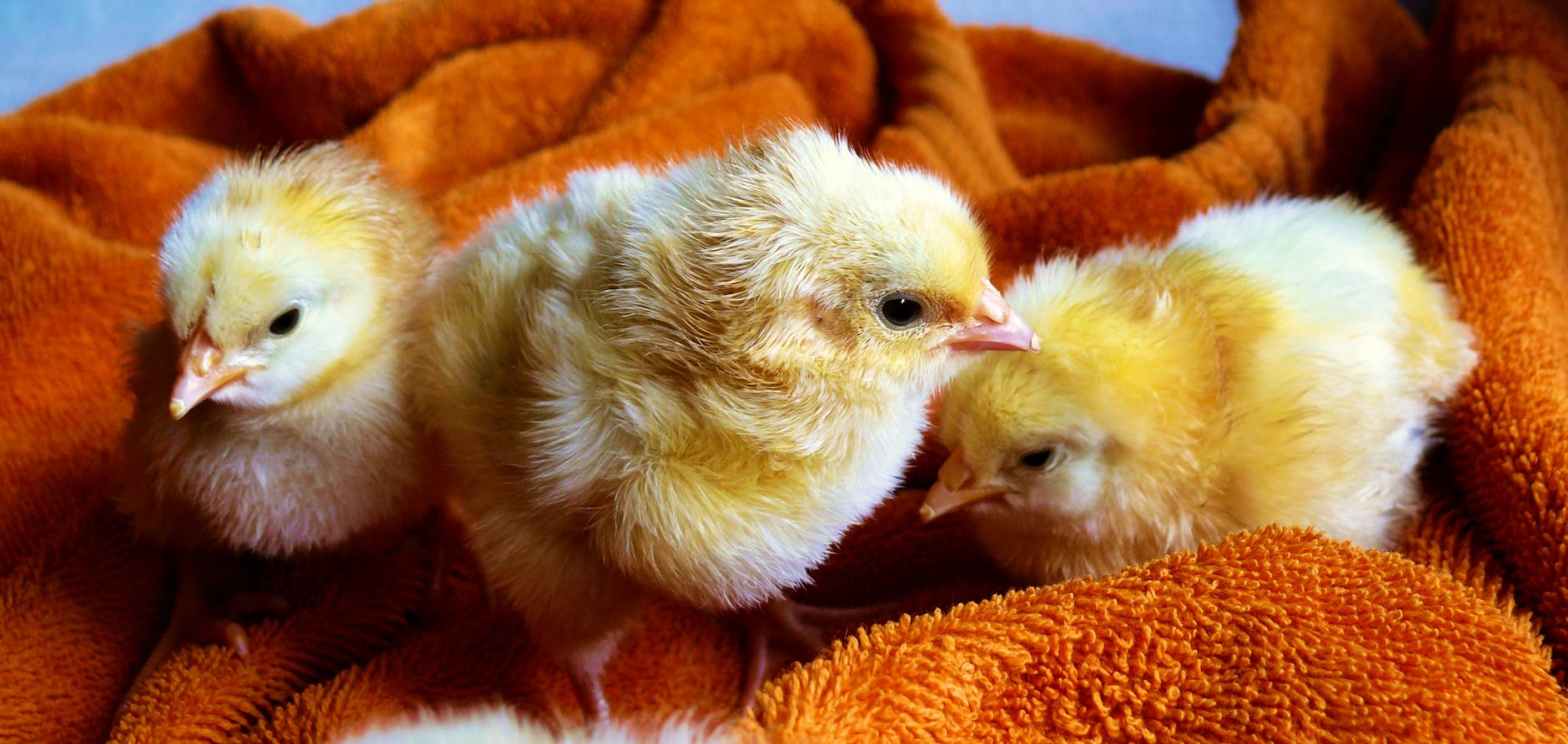
Raising chickens at home can be a fun and rewarding experience. Not only do chickens provide fresh eggs, but they can also serve as a source of entertainment and a way to teach children about responsibility and the importance of caring for living things. In this article, we’ll explore some of the benefits of raising chickens in your backyard.

  1. Fresh Eggs: One of the biggest benefits of raising chickens is the ability to have fresh eggs at your fingertips. Chickens can start laying eggs as early as 16-18 weeks old and can continue to lay for several years. The taste and texture of fresh, backyard eggs are often superior to store-bought eggs, and you can also rest easy knowing that the chickens were raised humanely and without the use of hormones or antibiotics.
  2. Natural Pest Control: Chickens are natural foragers and will happily eat all sorts of bugs, grubs, and other pests in your garden. This means that you can save money on pest control and also benefit from the chickens’ natural fertilizing capabilities.
  3. Low Maintenance: Chickens are relatively low maintenance animals. they don’t require a lot of space and can be kept in a small coop. They are also hardy birds that can withstand a variety of climates. With proper care, chickens can live for several years and will thrive with minimal attention.
  4. Educational: Having chickens around can be an educational experience for the whole family, and children can learn about where their food comes from, animal care and nutrition.
  5. Entertainment: Chickens have their own personalities and can be quite entertaining to watch. They are often friendly and curious birds, and it’s fun to see them interact with each other and with their human caretakers.
  6. Composting: Chicken manure is a valuable fertilizer, composting it in the backyard can also help reduce the amount of kitchen scraps, lawn clippings, and other yard waste.

Overall, raising chickens can be a great way to enjoy fresh eggs and connect with nature in a small and sustainable way. With their low maintenance and natural pest control abilities, chickens can be the perfect addition to any backyard farm or garden.

*It’s important to research and abide by your local laws before keeping chickens in your backyard, since zoning and zoning laws may not allow it.

The benefits of buying locally-produced food and supporting small farms

Buying locally-produced food and supporting small farms is a great way to not only improve your health, but also to support your local community and economy.

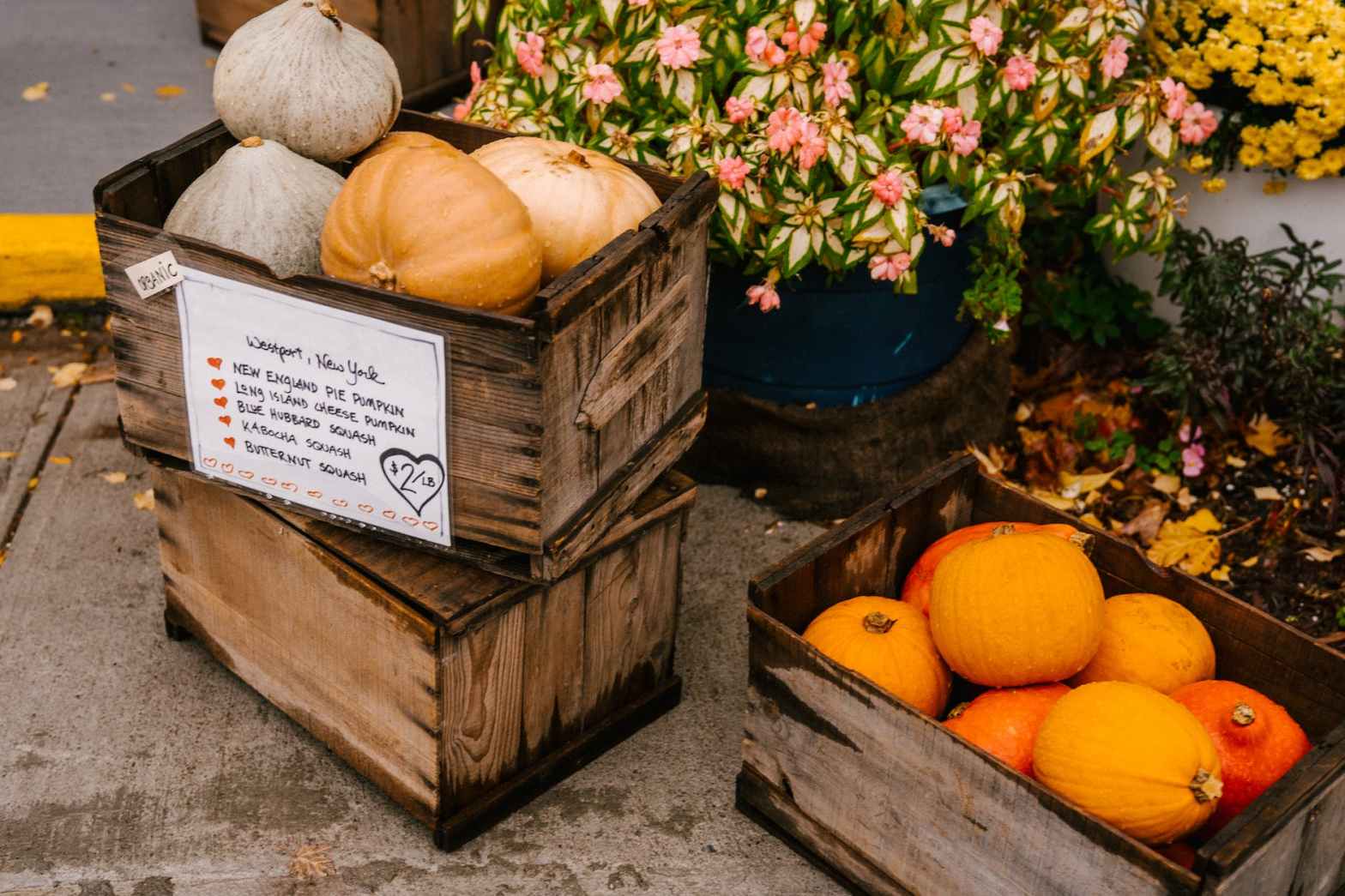
When you buy food that is produced locally, you can be sure that it is fresh and of high quality. Local farms typically harvest their crops at the peak of ripeness, which means that the food you are getting is packed with nutrients and flavor. In contrast, food that is grown far away and then shipped to your local grocery store can be weeks old by the time it reaches you, which can lead to a loss of nutrients and flavor.

Another benefit of buying locally-produced food is that it is often grown using sustainable and environmentally friendly practices. Small family farms are typically more invested in the health of their land, and may use methods such as crop rotation and cover cropping to improve the soil and reduce the need for chemical fertilizers and pesticides.

Supporting small farms is also beneficial for your local community and economy. Small family farms are an important part of rural communities, and when you buy food from them, you are supporting local farmers and their families. Additionally, buying locally-produced food can help to keep money in your local economy, as it is more likely to stay within the community rather than being sent to a large corporate farm or food distributor.

In addition to the benefits of buying locally-produced food, supporting small farms that raise chickens for eggs, grow vegetables and fruits, and raise goats, can also be beneficial for personal health. The eggs produced by small family farms tend to be more nutrient-dense compared to factory-farmed eggs. The vegetables and fruits grown on small farms are often fresh, organic and free of pesticides. And the goats raised by small farms are not treated with hormones or antibiotics.

In conclusion, buying locally-produced food and supporting small family farms is a great way to improve your health, support your local community, and contribute to a more sustainable food system. By choosing to buy food from local farmers, you can be sure that you are getting fresh, high-quality produce that is packed with nutrients and flavor. Additionally, you can be confident that the food you are buying has been grown using sustainable and environmentally friendly practices, and that you are supporting local farmers and their families.

Farm-Fresh Feasts: 3 Delicious Dinner Dishes Made with Eggs

Farm-fresh eggs are a versatile and nutritious ingredient that can be used in a variety of dishes. With their rich flavor and creamy texture, eggs can be used to elevate the taste and texture of any meal. In this article, we’ll be sharing three of our favorite dinner dishes that can be made with farm-fresh eggs.

Egg Fried Rice

This classic dish is a perfect way to use up leftover rice and vegetables. The eggs add a rich and creamy flavor that pairs well with the savory rice.

Ingredients:

  • 2 cups cooked rice
  • 2 tbsp vegetable oil
  • 1 onion, diced
  • 2 cloves garlic, minced
  • 2 cups mixed vegetables (carrots, peas, bell peppers, etc)
  • 2 eggs, beaten
  • 2 tbsp soy sauce
  • 1 tbsp sesame oil
  • Green onions, for garnish

Instructions:

  1. Heat the vegetable oil in a large pan over medium heat. Add the onion and garlic and sauté for 2-3 minutes.
  2. Add the mixed vegetables and sauté for another 2-3 minutes.
  3. Add the cooked rice and stir well to combine.
  4. Push the rice mixture to one side of the pan and add the beaten eggs to the other side. Cook until the eggs are scrambled and then mix them into the rice mixture.
  5. Stir in the soy sauce and sesame oil and cook for another 2-3 minutes.
  6. Garnish with green onions and serve hot.

Frittata

This Italian-style omelette is a perfect way to use up any vegetables or meats you have on hand. The eggs provide a rich and creamy base that can be filled with any combination of ingredients.

Ingredients:

  • 6 eggs
  • 1/4 cup milk
  • 1/4 tsp salt
  • 1/4 tsp pepper
  • 2 tbsp olive oil
  • 1 onion, diced
  • 2 cloves garlic, minced
  • 2 cups mixed vegetables (spinach, mushrooms, bell peppers, etc)
  • 1 cup cooked meats (ham, bacon, etc)
  • 1/2 cup grated cheese

Instructions:

  1. Preheat the oven to 375°F.
  2. In a large bowl, whisk together the eggs, milk, salt, and pepper.
  3. Heat the olive oil in a large skillet over medium heat. Add the onion and garlic and sauté for 2-3 minutes.
  4. Add the mixed vegetables and sauté for another 2-3 minutes.
  5. Add the cooked meats and stir well to combine.
  6. Pour the egg mixture over the vegetables and meats and cook for 2-3 minutes.
  7. Sprinkle the grated cheese over the top and transfer the skillet to the oven.
  8. Bake for 10-15 minutes, or until the eggs are set and the cheese is golden brown.
  9. Serve hot and enjoy.

Egg and Spinach Stuffed Chicken Breast

This dish is a delicious way to enjoy farm-fresh eggs in a main course. The spinach and eggs make a flavorful and nutritious stuffing for the chicken breast.

Ingredients:

  • 4 boneless, skinless chicken breasts
  • Salt and pepper
  • 2 tbsp butter
  • 1 onion, diced
  • 2 cloves garlic, minced
  • 2 cups spinach, chopped
  • 4 eggs, beaten
  • 1/2 cup grated cheese
  • 1/4 cup breadcrumbs

Instructions:

  1. Preheat the oven to 375°F.
  2. Season the chicken breasts with salt and pepper.
  3. In a large skillet, melt the butter over medium heat. Add the onion and garlic and sauté for 2-3 minutes.
  4. Add the spinach and sauté for another 2-3 minutes, or until the spinach has wilted.
  5. Remove the skillet from the heat and stir in the beaten eggs and grated cheese.
  6. Make a pocket in each chicken breast by cutting a horizontal slit in the thickest part of the breast.
  7. Stuff each chicken breast with the spinach and egg mixture, using toothpicks to secure the opening if needed.
  8. Spread the breadcrumbs over the tops of the chicken breasts.
  9. Place the chicken breasts in a baking dish and bake for 25-30 minutes, or until the chicken is cooked through and the breadcrumbs are golden brown.
  10. Serve hot and enjoy your delicious dish.

Enjoy!