5 Creative Uses for Wood Pallets on Your Farm or Garden

Wood pallets are often overlooked as useful items on a farm or garden. These wooden structures are commonly used in shipping and storing goods, but they can be repurposed in many ways to benefit any farm or garden operation.

Let’s explore the usefulness of wood pallets and the different ways that they can be used to enhance your farming or gardening experience.

Raised Garden Beds

One of the most popular uses for wood pallets is creating raised garden beds. Pallets can be stacked on top of each other to create a sturdy structure that holds soil in place. This is an ideal way to create a raised garden bed without spending a lot of money on materials. Simply fill the pallets with soil, and you have an instant garden bed ready for planting.

Composting

Composting is an essential part of any gardening operation. Wood pallets can be used to create a simple and efficient compost bin. Stack pallets on top of each other to create a three-sided structure. This allows for easy access to the compost, and it also allows air to circulate through the compost pile, speeding up the decomposition process.

Tool Storage

Tools are essential for any farming or gardening operation, but they can quickly become disorganized and cluttered. Using wood pallets to create a simple tool storage solution is an easy and effective way to keep your tools organized and accessible. Simply stand the pallets up against a wall, and you have an instant tool rack.

Firewood Storage

If you use wood as a source of heat or cooking fuel, then you know how important it is to keep your firewood dry and accessible. Using wood pallets to create a simple firewood storage structure is an easy and cost-effective solution. Simply stack the pallets on top of each other to create a three-sided structure, and fill it with firewood.

Animal Shelters

Animals need shelter from the elements, and wood pallets can be used to create simple and effective animal shelters. Depending on the size of the animal, you can stack pallets on top of each other to create a structure that provides shelter from the wind and rain. This is an ideal solution for small livestock or even poultry.

Wood pallets are incredibly versatile and can be used in a variety of ways to enhance your farming or gardening operation. Whether you need a raised garden bed, a compost bin, tool storage, firewood storage, or animal shelters, wood pallets can provide an easy and cost-effective solution. So next time you see a stack of wood pallets, don’t overlook their potential, and start thinking about how they can benefit your farm or garden.

The Art of Plant Pairing: Tips and Tricks for Successful Companion Planting

Companion planting is an ancient gardening practice where two or more plant species are grown together for mutual benefit. Companion planting can help to increase yields, improve soil health, reduce pests, and enhance the overall health of your garden. In this article, we’ll dive into what companion planting is, how to do it, and what plants work best together.

What is Companion Planting?

Companion planting involves planting different crops together that have a mutually beneficial relationship. For example, some plants can help repel pests, while others can help to improve soil health or provide shade for other plants. By planting these crops together, you can create a healthier and more productive garden.

How to Do Companion Planting

The key to successful companion planting is choosing the right plants and knowing how to pair them. You should also consider the growing requirements of each plant, including sunlight, soil, and water needs. To get started, follow these steps:

  1. Determine your garden goals – what do you want to achieve with your companion planting?
  2. Choose companion plants based on their benefits and growing requirements. Some examples of companion plants include:
  • Basil and tomatoes: basil can help repel pests and improve tomato flavor
  • Marigolds and vegetables: marigolds can help repel pests and attract beneficial insects
  • Beans and corn: beans can fix nitrogen in the soil, benefiting corn growth
  • Carrots and onions: carrots can benefit from the soil-loosening effects of onions
  1. Plant companion crops together – make sure to space plants properly to avoid crowding
  2. Monitor your garden – watch for signs of pests or disease and adjust your companion planting as needed.

What Plants Work Best Together and Why?

There are many plants that work well together in companion planting. Here are some examples and why they are beneficial:

  • Tomatoes and basil: Basil can help to repel pests such as aphids, whiteflies, and tomato hornworms. It can also improve tomato flavor.
  • Beans and corn: Beans are a legume that can fix nitrogen in the soil, benefiting corn growth. Corn can also provide support for bean vines.
  • Carrots and onions: Onions can help repel carrot flies, while carrots can benefit from the soil-loosening effects of onions.
  • Marigolds and vegetables: Marigolds have natural pest-repellent properties and can attract beneficial insects to your garden.
  • Cucumbers and radishes: Radishes can help deter cucumber beetles, while cucumbers can provide shade for radish seedlings.

Companion planting can be an effective way to improve the health and productivity of your garden. By pairing plants together based on their benefits and growing requirements, you can create a diverse and thriving garden ecosystem. Whether you are a beginner or an experienced gardener, companion planting is a great way to take your gardening skills to the next level.

The Magnificent Monarch: Understanding Their Migration and How to Help Them Thrive

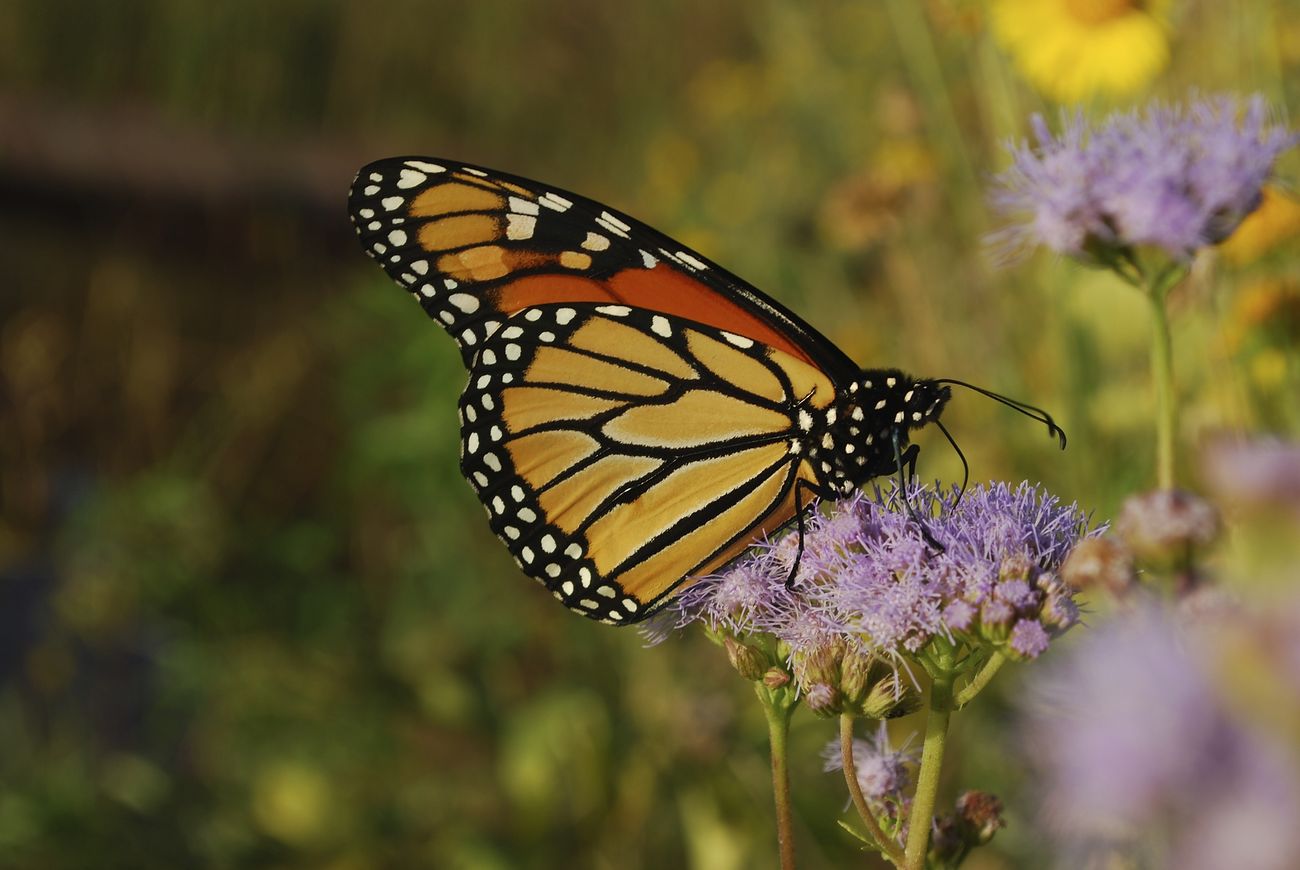
The Monarch butterfly is one of the most iconic and well-known butterfly species in North America. Every year, millions of these butterflies make a journey from Mexico to Canada and back, covering thousands of miles in the process. However, the Monarch population is in decline due to loss of habitat, climate change, and pesticide use. One way to help these beautiful creatures is by planting a Monarch-friendly garden. In this article, we’ll explore the Monarch butterfly migration and provide tips on creating a garden that will attract and support Monarchs.

Monarch butterflies are famous for their annual migration, which takes place between Mexico and Canada. During the winter, Monarchs cluster together in the oyamel fir forests of central Mexico, where they spend several months in a state of diapause, conserving energy until it’s time to make the return journey. When spring arrives, they begin their northward migration, stopping along the way to lay eggs on milkweed plants. The next generation of Monarchs continues the journey, and the process repeats until the butterflies reach their summer breeding grounds in Canada.

To help Monarch butterflies thrive and multiply, it’s important to provide them with the right habitat. The most important plant for Monarchs is milkweed, which is the sole food source for Monarch caterpillars. Without milkweed, the Monarch population cannot survive. Some species of milkweed that are particularly attractive to Monarchs include Common Milkweed (Asclepias syriaca), Swamp Milkweed (Asclepias incarnata), and Butterfly Weed (Asclepias tuberosa). It’s important to note that planting native species of milkweed is crucial, as non-native milkweeds can actually harm Monarch populations by providing inadequate nutrition for caterpillars.

In addition to milkweed, Monarchs also require nectar plants for adult butterflies. These plants provide essential nutrients for the butterflies as they make their journey. Some examples of nectar plants that are attractive to Monarchs include Black-eyed Susan (Rudbeckia hirta), Purple Coneflower (Echinacea purpurea), and Bee Balm (Monarda didyma). When choosing nectar plants, it’s important to select species that bloom at different times throughout the growing season to provide a continuous food source for the butterflies.

Creating a Monarch-friendly garden is not only beneficial for the butterflies, but also for other pollinators such as bees and butterflies. By planting native species and providing the right habitat, you can help create a healthy ecosystem that supports a diversity of species. With a little effort and some careful planning, you can turn your garden into a sanctuary for Monarch butterflies and help support their incredible migration for generations to come.

Chicken Spotlight: The Ameracauna, Your All-in-One Solution for Egg-Laying, Beauty, and Charm

When it comes to raising chickens, there are many different breeds to choose from, each with their own unique qualities. One such breed that has gained popularity in recent years is the Ameraucana. This chicken is known for its distinctive blue eggs, friendly personality, and hardiness in different climates.

One of the main benefits of raising Ameraucana chickens is their ability to lay colorful eggs. Unlike traditional brown or white eggs, Ameraucana eggs come in shades of blue, green, or even pink. This can make for an interesting addition to any breakfast table or farmer’s market stand. In terms of quantity, Ameraucanas are moderate layers, typically producing around 250 eggs per year.

In addition to their eggs, Ameraucanas are also known for their friendly and curious personalities. They are easy to tame and make great pets, especially for families with children. Ameraucanas are also hardy birds, capable of adapting to different climates and weather conditions. They are able to withstand both heat and cold, making them a great choice for backyard farmers in different regions.

To properly care for Ameraucana chickens, it’s important to provide them with a clean and spacious living environment. They require a coop that is well-ventilated, predator-proof, and has plenty of roosting space. Additionally, they should have access to a large outdoor area where they can scratch for food and dust bathe.

As with any chicken breed, it’s important to feed Ameraucanas a balanced diet that includes a mix of grains, seeds, and fresh fruits and vegetables. They also require access to clean water at all times. Regular health checks and preventative measures such as vaccinations can help keep Ameraucanas healthy and disease-free.

In conclusion, if you’re looking for a friendly, hardy chicken breed that lays colorful eggs, the Ameraucana might be just what you’re looking for. With proper care and attention, these birds can provide years of enjoyment and fresh eggs for your family or business.

Poison: Ivy 101: Everything You Need to Know About This Plant

Picture this: You live in a rural area where making maple syrup is a beloved tradition. Every year, you and your family look forward to tapping the maple trees, boiling the sap and enjoying the sweet, golden syrup. But this year, one of the trees in your maple grove has been taken over by poison ivy. The thick vines have choked the tree, and it’s clear that it needs to be cut down.

You pull out your chainsaw, don your protective gear and start cutting away at the tree. The sound of the saw echoes through the woods as you work to free the tree from its ivy prison. As you cut through the thick vines, you can feel the sticky sap on your skin, but you don’t think much of it.

Once the tree is down, you begin chopping it into smaller logs to burn in your fire pit. You stack the logs and light the fire, eager to get the sap boiling. But as the fire grows, you start to feel itchy. Your face, neck, arms, torso and legs are covered in a red, blistering rash. You realize too late that you’ve been exposed to poison ivy not just once, but multiple times and in multiple places.

Over the next few days, the rash worsens, and you start to experience painful itching and discomfort. You seek medical attention, but the road to recovery is long and arduous.

Here’s what you need to know to avoid this unfortunate scenario.


Poison ivy is a common plant found in North America that can cause an uncomfortable and sometimes dangerous reaction in people who come into contact with it. The plant contains a toxic oil called urushiol, which can cause an itchy rash, blisters, and swelling. In severe cases, exposure to poison ivy can cause a more serious allergic reaction.

This article will provide a comprehensive guide to poison ivy, including information on what it looks like, where it grows, and how to avoid it. We will also cover the symptoms of poison ivy exposure and provide tips on how to treat the rash and prevent it from spreading.

What is poison ivy?

Poison ivy is a common plant found in many parts of North America, including wooded areas, parks, and even backyard gardens. The plant is known for causing an itchy and irritating rash in people who come into contact with it. This rash can be uncomfortable and even painful, and it is important to know how to recognize poison ivy in order to avoid exposure.

Poison ivy is a woody vine or shrub that can grow up to three feet tall. The leaves of the plant are typically arranged in groups of three, with two smaller leaves and one larger leaf in the center. The leaves are often shiny and smooth, and they can range in color from bright green to reddish-brown. Poison ivy also produces small, white or greenish-yellow flowers in the spring, followed by clusters of small, white berries in the fall.

The toxic oil found in poison ivy, called urushiol, is what causes the allergic reaction in many people. Urushiol is a clear, sticky substance that is present in all parts of the plant, including the leaves, stems, and roots. When a person comes into contact with urushiol, it can quickly penetrate the skin, causing an immune response that leads to itching, redness, and swelling. It is important to note that the reaction to urushiol can vary widely from person to person, and some people may be more sensitive to it than others.

Urushiol can also be found in other plants, such as poison oak and poison sumac. These plants are closely related to poison ivy and can cause similar reactions in people. It is important to be able to identify all three of these plants in order to avoid exposure.

In addition to direct contact with the plant, urushiol can also be spread through indirect contact. This can happen when a person touches clothing, tools, or other objects that have come into contact with urushiol. Pets can also spread urushiol on their fur, so it is important to wash them thoroughly if they have been in contact with poison ivy.

How can you be exposed to poison ivy?

Poison ivy is commonly found throughout the United States and is a plant that should be avoided due to its ability to cause an itchy, uncomfortable rash. There are many ways to come into contact with poison ivy, and it’s important to understand how exposure can happen.

One of the most common ways to be exposed to poison ivy is through outdoor activities. Whether you’re hiking, camping, or just spending time outside, it’s possible to come into contact with poison ivy. The plant can grow in many different areas, including forests, fields, and even in your own backyard.

Pets can also be a source of exposure to poison ivy. If your pet comes into contact with the plant, they can transfer the oil to their fur, which can then be transferred to you when you pet them. It’s important to keep an eye on your pet when spending time outside and to wash them if you suspect they may have come into contact with poison ivy.

Gardening is another common way to be exposed to poison ivy. If the plant is growing in your garden, you may accidentally brush against it while weeding or planting. It’s important to wear gloves and protective clothing when working in the garden to avoid coming into contact with the plant.

Clearing brush and cutting down trees is another situation in which you risk exposure to poison ivy.

It’s important to note that urushiol, the toxic oil found in poison ivy, can stay on objects and clothing for weeks or even months. This means that you can be exposed to poison ivy even if you haven’t come into direct contact with the plant. If you come into contact with something that has urushiol on it, such as gardening tools or clothing, it’s important to wash them thoroughly before using them again.

Symptoms of poison ivy exposure

Symptoms of poison ivy exposure can range from mild to severe depending on the person’s sensitivity to the urushiol oil. Typically, symptoms start to appear within 12 to 48 hours after exposure, but in some cases, it may take longer for the reaction to occur. The following are the most common symptoms of poison ivy exposure:

  • Redness: The affected area may become red and inflamed, and the skin may feel warm to the touch.
  • Itching: Itching is often the first symptom of poison ivy exposure and can be intense and persistent.
  • Blisters: Fluid-filled blisters may develop on the skin, and they can become quite large in severe cases.
  • Swelling: The affected area may become swollen and tender.
  • Difficulty breathing: In rare cases, exposure to poison ivy can cause difficulty breathing, which requires immediate medical attention.

It’s important to note that the severity of the reaction can vary from person to person, and repeated exposure to urushiol can cause an increasingly severe reaction over time.

If you experience any of the above symptoms after exposure to poison ivy, it’s important to seek medical attention, especially if you experience difficulty breathing or if the rash covers a large area of your body. In severe cases, a doctor may prescribe oral or topical steroids to reduce inflammation and itching.

In most cases, however, poison ivy rashes can be treated at home with over-the-counter creams and lotions, such as calamine lotion, hydrocortisone cream, or oatmeal baths to soothe the skin. Scratching the rash should be avoided as it can cause the rash to spread and lead to secondary infections.

Treating poison ivy exposure

Treating poison ivy exposure is essential to help relieve the symptoms and prevent the rash from spreading. Here are some steps you can take to treat poison ivy exposure:

  1. Wash the area with soap and water: As soon as you come into contact with poison ivy, wash the affected area thoroughly with soap and water. This will help remove any urushiol that may be on your skin and reduce the severity of the reaction.
  2. Remove contaminated clothing and objects: Remove any clothing or objects that may have come into contact with poison ivy and wash them thoroughly. Urushiol can stay on clothing and objects for weeks or even months, so it’s important to clean them properly.
  3. Apply topical treatments: Over-the-counter creams and ointments such as calamine lotion, hydrocortisone cream, or a baking soda and water paste can help relieve itching and soothe the rash. Antihistamines can also help reduce itching and swelling.
  4. Take oral medications: If the rash is severe, your doctor may prescribe oral medications such as prednisone to reduce inflammation and itching.
  5. Use home remedies: Some home remedies, such as cool compresses, oatmeal baths, and aloe vera gel, may also help relieve itching and soothe the rash.

It’s important to note that severe cases of poison ivy exposure may require medical attention. If you experience difficulty breathing, swelling of the face or throat, or have a fever, seek medical attention immediately.

Preventing poison ivy exposure

Preventing poison ivy exposure is the best way to avoid the unpleasant symptoms associated with this plant. Here are some tips on how to protect yourself from poison ivy:

  1. Learn to identify poison ivy: Knowing what poison ivy looks like is essential to avoid coming into contact with it. Look for leaves that grow in groups of three and have a pointed tip. The leaves can be green or red, and they have a shiny texture.
  2. Wear protective clothing: If you are going to be in an area where poison ivy is present, wear long pants, long sleeves, and closed-toe shoes. Tuck your pants into your socks and wear gloves to protect your hands.
  3. Wash your clothes: If you think you may have been exposed to poison ivy, wash your clothes and any other objects that may have come into contact with the plant. This will help to remove any urushiol that may be present.
  4. Use barrier creams: There are creams available that can create a barrier between your skin and urushiol. This can help to prevent the oil from penetrating your skin.
  5. Be aware of where poison ivy grows: Poison ivy can be found in many areas, including forests, fields, and parks. Be aware of where it grows and avoid these areas if possible.
  6. Keep pets away from poison ivy: Urushiol can cling to pet fur and be transferred to humans. Keep your pets away from poison ivy to avoid exposure.
  7. Wash your skin: If you think you may have come into contact with poison ivy, wash your skin as soon as possible with soap and water. This can help to remove any urushiol that may be present.

By following these tips, you can greatly reduce your risk of exposure to poison ivy and avoid the uncomfortable symptoms that come with it.

What have we learned?

Poison ivy is a common North American plant that can cause an itchy and uncomfortable rash due to the toxic oil it contains called urushiol. Exposure to poison ivy can happen through direct contact with the plant, pets, or through indirect contact with objects and clothing that have come into contact with urushiol. Symptoms of poison ivy exposure include redness, itching, blisters, swelling, and in severe cases, difficulty breathing.

It is important to be able to identify poison ivy, poison oak, and poison sumac to avoid exposure to these plants. Precautions, such as wearing protective clothing and gloves, washing clothing and objects that may have come into contact with the plant, and washing pets that have been in contact with the plant, can help prevent exposure. Being aware of the symptoms of poison ivy exposure can help people take prompt action to treat the rash and prevent it from spreading. Most importantly, seek medical attention if the symptoms are severe or if there is difficulty breathing.

Mushroom Hunting in Michigan: A Guide to Finding and Identifying Edible Mushrooms

As you step into the forest, you feel a sense of excitement and anticipation. You’ve been looking forward to this day for weeks, ever since you planned your mushroom hunting trip in Michigan. You have your foraging basket, a map of the area, and a guidebook to help you identify the mushrooms you find.

You start to walk along the trail, scanning the forest floor for any signs of mushrooms. After a few minutes, you spot a small patch of orange mushrooms peeking out from under a pile of leaves. You consult your guidebook and identify them as chanterelles, a prized edible mushroom.

You carefully pick the chanterelles and place them in your basket, feeling proud of your first find. As you continue along the trail, you spot more mushrooms of different varieties, some of which you know are poisonous and others you’re not sure about.

You take your time, carefully examining each mushroom and consulting your guidebook to determine if it’s edible. You learn about the different types of mushrooms that grow in Michigan, and how to identify them by their shape, color, and texture.

As the sun starts to set, you make your way back to your car, satisfied with the day’s bounty. You can’t wait to clean and cook your mushrooms, and share them with your family and friends. Mushroom hunting in Michigan has been a rewarding and exciting experience, and you’re already planning your next trip.


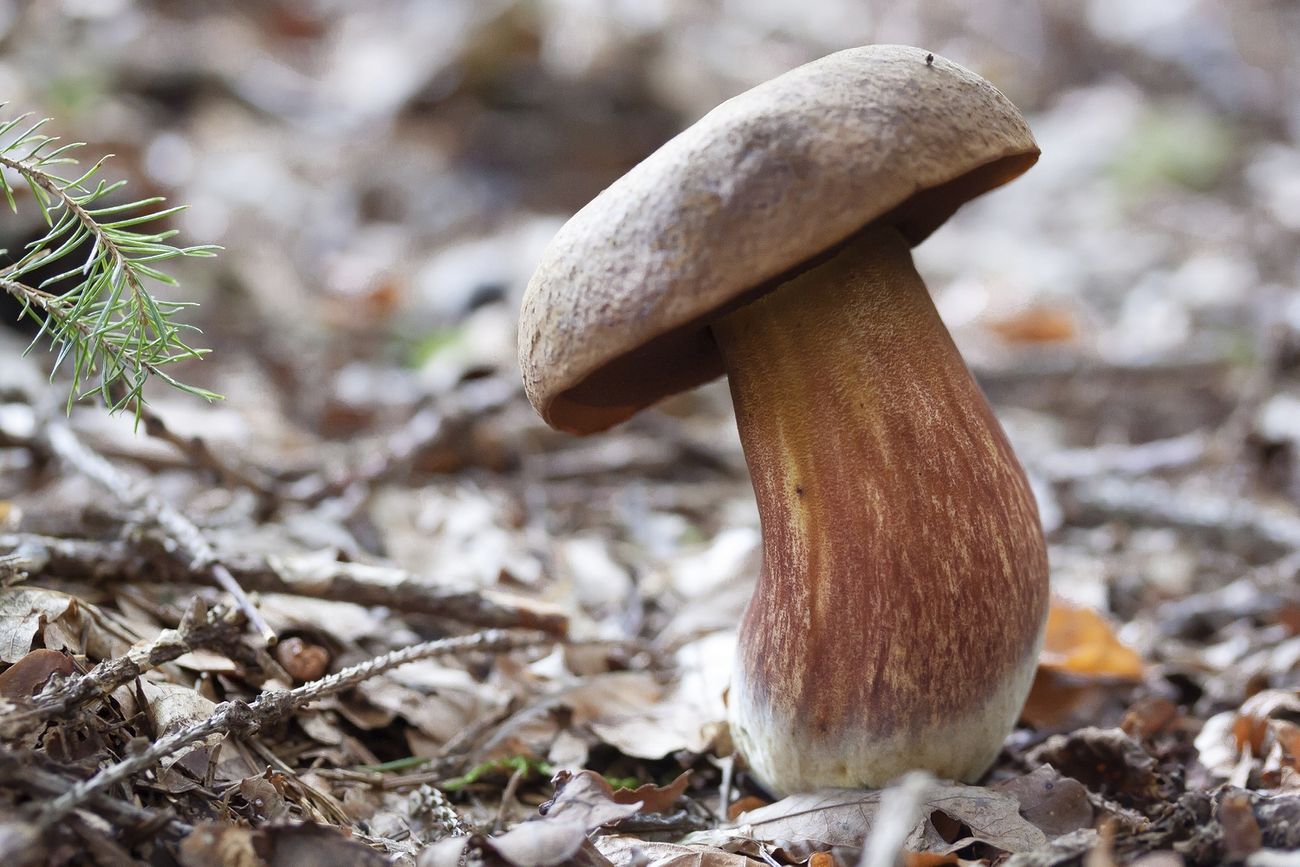
Foraging for mushrooms in Michigan is a thrilling and rewarding experience. It’s a chance to explore the great outdoors, get some exercise, and potentially gather ingredients for a delicious meal. However, it’s important to approach mushroom hunting with caution, as some mushrooms can be toxic and potentially deadly if consumed.

That’s why correctly identifying mushrooms is crucial. While many mushrooms are safe to eat, there are also many lookalikes that are poisonous. Misidentifying a mushroom can have serious consequences, so it’s important to have a good understanding of the characteristics of different types of mushrooms.

In addition to the safety considerations, there’s also an element of excitement in the hunt for mushrooms. It’s like a treasure hunt, as you never know what you’ll find or where you’ll find it. Whether you’re a seasoned forager or a beginner, the thrill of the search is always there.

Foraging for mushrooms also allows you to connect with nature in a unique way. As you walk through the woods, you become attuned to your surroundings, noticing details that you might otherwise miss. It’s a chance to slow down and appreciate the beauty of the natural world.

Overall, mushroom hunting in Michigan is a fun and fulfilling activity, but it’s important to approach it with respect and caution. With the right knowledge and preparation, it’s a great way to get outside and explore the outdoors while gathering ingredients for a delicious meal.

When to Hunt for Mushrooms in Michigan

Mushroom hunting in Michigan typically starts in late spring, around May, and extends through the summer months. However, the exact timing of the season can vary depending on factors such as temperature and rainfall. Generally, warmer and wetter weather conditions create a more bountiful mushroom season.

It’s important to note that mushroom hunting should only be done during daylight hours and that hunters should be aware of their surroundings at all times. Additionally, some areas may require permits or have restrictions, so it’s important to research the specific rules and regulations for the area you plan to hunt in.

Where to Hunt for Mushrooms in Michigan

Michigan offers a variety of habitats that are suitable for different types of mushrooms. Here are a few examples of where you might find different types of mushrooms:

  • Morel mushrooms: These highly sought-after mushrooms are typically found in forests with deciduous trees such as elms, ash, and oak. They often grow near dead or dying trees and may appear in areas that have been disturbed by fires or logging.
  • Chanterelle mushrooms: These mushrooms are often found in forests with coniferous trees such as pine and spruce, as well as in mixed hardwood and coniferous forests. They grow on the ground and are commonly found in areas with moist soil.
  • Chicken of the Woods mushrooms: These mushrooms can be found growing on the trunks or branches of hardwood trees, such as oak or maple. They are often found in older forests and may grow in large clusters.
  • Hedgehog mushrooms: These mushrooms are typically found growing on the forest floor in mixed hardwood and coniferous forests. They have a distinctive tooth-like appearance on the underside of the cap.

Keep in mind that this is just a small sampling of the many types of mushrooms that can be found in Michigan. It’s important to research the specific types of mushrooms you are interested in hunting and their preferred habitats.

Types of Edible Mushrooms Found in Michigan

Mushroom hunting in Michigan can be a great way to spend a day in nature, and it is essential to know which mushrooms are edible and which are not. Some of the most commonly found edible mushrooms in Michigan include morels, chanterelles, and chicken of the woods. Here’s a closer look at each of them:

  1. Morels: Morels are the most sought-after mushrooms in Michigan, and they can be found from April to early June. They grow in a variety of habitats, including wooded areas, riverbanks, and burned or disturbed areas. Morels have a unique appearance with a sponge-like cap and a honeycomb-like surface. They are often used in gourmet dishes due to their rich and earthy flavor.
  2. Chanterelles: Chanterelles are another popular edible mushroom in Michigan. They are typically found from mid-summer to early fall, and they grow in deciduous and coniferous forests. Chanterelles have a trumpet-like shape with a golden-yellow or orange color. They have a mild and delicate flavor that pairs well with various dishes.
  3. Chicken of the Woods: Chicken of the Woods is a type of mushroom that grows on trees, particularly oak trees. They can be found from June to November and have a bright yellow-orange color. They are often used as a meat substitute in vegetarian dishes due to their meaty texture and savory flavor.
  4. Hen of the Woods (Maitake): This mushroom is typically found at the base of oak trees in the fall. It has a distinct, fan-like shape and is light to dark brown in color. The texture is meaty and tender, making it a great substitute for meat in vegetarian dishes.
  5. Black Trumpet: This mushroom is also known as horn of plenty due to its funnel shape. It is typically found in the fall and can be found growing on dead or dying hardwoods such as beech or oak. Its color ranges from dark brown to black, and its texture is slightly chewy with a subtle woodsy flavor.
  6. Lobster Mushroom: This mushroom is actually a fungus that grows on other mushrooms, typically Russula or Lactarius species. It gets its name from its bright orange-red color and seafood-like flavor. It is found in late summer and early fall and can be found growing in forests or grassy areas.
  7. Hedgehog Mushroom: These mushrooms have a distinctive toothed underside instead of gills, making them easy to identify. They have a nutty, sweet flavor and are typically found growing on the ground near conifers.
  8. Puffball Mushroom: These round mushrooms can grow to be quite large, and are easily recognized by their smooth, white exterior. They can be found growing in fields and forests in late summer and early fall, and are best when cooked soon after harvesting.

It’s crucial to correctly identify mushrooms before consuming them, and these descriptions can help you identify these common edible mushrooms in Michigan. However, it’s important to note that some mushrooms can be easily confused with poisonous varieties, so it’s always best to double-check with an expert or field guide.

Identifying Edible and Poisonous Mushrooms in Michigan

Mushroom identification can be a challenging task, but there are some basic characteristics you can look for to help determine if a mushroom is edible or poisonous. One important thing to note is that it is essential to use multiple identification factors and to have a high degree of certainty before consuming any wild mushroom.

Color is one of the easiest ways to differentiate between mushrooms. Edible mushrooms often have natural earthy colors like brown, tan, and yellow, while poisonous mushrooms tend to have more vibrant colors, such as bright red, orange, or green. However, some poisonous mushrooms can also be brown, so it’s important not to rely solely on color for identification.

Shape is another characteristic to pay attention to. Many edible mushrooms have caps that are either convex or flat, while many poisonous mushrooms have caps that are either bell-shaped or conical. Edible mushrooms also often have gills that are either white or a light color, while poisonous mushrooms may have gills that are darker or even black.

Smell is another important factor in identifying mushrooms. Many edible mushrooms have a pleasant, earthy smell, while poisonous mushrooms can have a musty or pungent odor. However, some poisonous mushrooms may also have a pleasant smell, so it’s important to use multiple identification factors.

To accurately identify mushrooms, it’s essential to consult a reputable field guide or expert in mushroom identification. Additionally, it’s crucial to gather mushrooms for identification that are in good condition, with intact caps and stems, so that all the necessary features can be examined.

It’s important to note that some edible mushrooms have poisonous look-alikes, so it’s essential to learn to identify the differences between them. When in doubt, it’s always best to err on the side of caution and not consume a mushroom unless you are absolutely sure of its identification.

Cooking and Preserving Mushrooms

After you’ve collected your mushrooms, it’s important to properly clean and prepare them for cooking. Begin by wiping off any dirt or debris with a damp cloth or paper towel. Do not wash them with water, as mushrooms can absorb a lot of liquid and become mushy. You can use a soft-bristled brush to clean them as well.

Next, depending on the recipe you’re using, you may need to slice, chop, or leave the mushrooms whole. For example, sautéed mushrooms may require slicing, while mushroom soup may require chopping.

There are many delicious recipes that you can make with your foraged mushrooms. Here are a few to get you started:

  1. Sautéed Mushrooms: Heat some butter or oil in a pan and sauté sliced mushrooms until they are golden brown. Add garlic, herbs, and salt and pepper to taste.
  2. Mushroom Soup: Sauté chopped onions and garlic in butter until they are soft. Add sliced mushrooms and cook until they release their liquid. Pour in chicken or vegetable broth and simmer until the mushrooms are tender. Blend the soup until smooth, then season with salt, pepper, and cream or milk to taste.
  3. Mushroom Jerky: Slice mushrooms thinly and marinate them in a mixture of soy sauce, Worcestershire sauce, liquid smoke, and garlic powder for a few hours. Bake in a low oven until they are dry and chewy.
  4. Mushroom Risotto: Sauté chopped onions and garlic in butter until they are soft. Add Arborio rice and cook until it is coated in butter. Pour in chicken or vegetable broth, a ladleful at a time, stirring until the liquid is absorbed before adding more. Once the rice is cooked, stir in sautéed mushrooms, grated Parmesan cheese, and chopped parsley.

By following these tips for cleaning and preparing your mushrooms and trying out some of these recipes, you’ll be able to make the most out of your foraged mushrooms and enjoy their unique flavor in a variety of ways.

Enjoy Michigan Mushroom Season!

The joys of mushroom hunting in Michigan are countless. It is an exciting and rewarding activity that gets you outdoors, exploring the natural world around you. You can enjoy the beauty of the forests while finding delicious and nutritious mushrooms. Moreover, it is a fun activity to share with friends and family, creating new memories and traditions.

Before you go mushroom hunting, it is essential to take some safety precautions. Always bring a field guide or a reliable resource for mushroom identification, wear appropriate clothing and footwear, and inform someone of your whereabouts. Remember to harvest mushrooms responsibly, leaving some for others and the ecosystem. With these tips in mind, you can safely and successfully enjoy the many benefits of mushroom hunting in Michigan.

The Ultimate Guide to Collecting and Storing Firewood: Tips for Drying and Preserving Your Fuel

Firewood is an essential source of fuel for many homes, campsites, and outdoor activities. To get the most out of your firewood, it is important to collect and store it properly so that it dries without rotting and lasts throughout the year.

Collecting Firewood

The first step in collecting firewood is to determine what type of wood you need. Different types of wood have different burning characteristics, so it’s important to choose the right one for your needs. Hardwoods like oak, maple, and hickory burn longer and produce more heat, making them ideal for long, cold winters. Softwoods like pine and spruce ignite quickly but burn faster and produce less heat, making them suitable for milder weather.

When gathering firewood, it’s important to use sustainable methods. Avoid cutting down healthy trees and instead look for fallen branches, dead trees, and other sources of wood that won’t harm the forest ecosystem. Always check with local authorities to see if there are any restrictions or permits required for gathering firewood in your area.

Storing Firewood

Once you have collected your firewood, it’s essential to store it properly to prevent rotting and ensure it dries out properly. Start by finding a dry, sheltered area where your firewood can be stored. This could be a shed, a garage, or an outdoor shelter. If you’re storing your firewood outside, be sure to stack it on a raised platform to prevent moisture from seeping into the wood.

When stacking your firewood, ensure that there is plenty of airflow between each piece. This will help the wood dry out properly and prevent mold and rot from forming. It’s best to stack your firewood in a criss-cross pattern, alternating the direction of each layer. This helps to create stability and prevent the stack from collapsing.

If you’re storing your firewood for an extended period, it’s a good idea to cover it with a tarp to protect it from rain and snow. However, be sure to leave the sides of the stack open to allow for airflow. If your firewood does get wet, be sure to move it to a dry area and allow it to dry out completely before using it.

Using Firewood

When it comes time to use your firewood, it’s important to follow safety guidelines. Always use a fireplace screen to prevent sparks from flying out and causing a fire. Never leave a fire unattended, and always ensure that the fire is completely out before leaving the area.

In addition, be sure to use the right type of wood for your fire. Softwoods like pine and spruce are great for kindling and getting a fire started, but they burn quickly and produce less heat. Hardwoods like oak, maple, and hickory are better for long, slow burns and produce more heat.

Collecting and storing firewood properly is essential for getting the most out of your wood and ensuring that it lasts throughout the year. By following these guidelines, you can enjoy a cozy fire without worrying about the quality of your wood.

From Soil Testing to Beneficial Microorganisms: A Guide to Maintaining Soil Health for a Thriving Garden

Soil health is a crucial factor in the success of any garden. Healthy soil provides the necessary nutrients and water to support plant growth and is essential to the overall health of the ecosystem. In this article, we will discuss the importance of soil health for successful gardening, including the role of soil structure, the importance of organic matter, the benefits of soil testing, and how to improve soil health.

Understanding Soil Structure

Soil structure refers to the way soil particles are arranged and how they interact with each other. The ideal soil structure is porous, allowing for good water and air circulation. This is important because plant roots need both water and oxygen to thrive. Soil structure is influenced by factors such as soil type, drainage, and the presence of organic matter.

Importance of Organic Matter

Organic matter is essential for healthy soil. It provides the necessary nutrients for plant growth and helps to improve soil structure. Organic matter can come from a variety of sources, including compost, animal manure, and cover crops. Incorporating organic matter into your soil can improve soil fertility, water retention, and overall plant health.

Benefits of Soil Testing

Soil testing is an essential tool for maintaining soil health. It can help identify nutrient deficiencies and soil pH levels, which can impact plant growth. Soil testing can also help determine the appropriate amount of fertilizer to use, reducing the risk of over-fertilization, which can harm the environment.

How to Improve Soil Health

There are several ways to improve soil health. One of the most effective methods is to incorporate organic matter into the soil. This can be done by adding compost, animal manure, or cover crops. Cover crops can also help improve soil health by preventing erosion and adding nutrients back into the soil. Crop rotation is another method that can help improve soil health by reducing disease and pest pressure.

The Role of Mulch

Mulch is another important factor in soil health. It helps to conserve moisture, reduce weed growth, and regulate soil temperature. Mulch can come in the form of organic materials such as leaves, straw, and grass clippings, or inorganic materials such as rocks or plastic.

The Benefits of Composting

Composting is an effective way to improve soil health while reducing waste. Composting involves the breakdown of organic material, resulting in a nutrient-rich soil amendment. Compost can help improve soil structure, water retention, and overall plant health.

Importance of Water Management

Proper water management is crucial to maintaining soil health. Overwatering can lead to poor soil structure and the loss of nutrients, while under watering can lead to stunted plant growth. It is essential to understand the water requirements of different plants and to water accordingly.

The Role of Beneficial Microorganisms

Beneficial microorganisms play an essential role in soil health. They help to break down organic matter, improve soil structure, and promote nutrient uptake in plants. Some common beneficial microorganisms include mycorrhizae and rhizobia.

Avoiding Soil Compaction

Soil compaction can occur when soil particles are compressed, leading to poor soil structure and reduced air and water circulation. Soil compaction can be avoided by minimizing traffic on the soil, avoiding working in wet soil, and using proper tillage techniques.

Preventing Soil Erosion

Soil erosion can occur when soil is exposed to wind or water. It can lead to the loss of valuable topsoil and nutrients. Preventing soil erosion can be done by planting cover crops, using mulch, and avoiding soil disturbance on slopes.

The Role of Crop Diversity

Crop diversity is essential for maintaining soil health. Different crops have different nutrient requirements, allowing for the replenishment of nutrients in the soil. Crop diversity can also help reduce the risk of disease and pest pressure.

Choosing the Right Plants

Once you have determined the health of your soil and made any necessary amendments, it’s time to start thinking about what plants you want to grow. It’s important to choose plants that are suited to your climate, soil type, and available sunlight. You should also consider whether the plants are annuals, perennials, or biennials. Annual plants complete their life cycle in one growing season, while perennials come back year after year. Biennials take two years to complete their life cycle.

In addition to climate and soil considerations, you should also choose plants that are well-suited to your gardening goals. If you’re interested in growing a vegetable garden, choose plants that are known to produce bountiful yields and that are high in nutrition. Some popular vegetable plants for a beginner’s garden include tomatoes, lettuce, beans, peas, and peppers.

If you’re interested in creating a flower garden, choose plants that will thrive in your specific conditions and that are known to be low maintenance. Some great options for a low-maintenance flower garden include daisies, black-eyed susans, daylilies, and coreopsis.

It’s also important to consider the pollinators in your area when choosing plants. Pollinators like bees, butterflies, and hummingbirds are crucial for successful gardening, as they help plants produce fruit and seeds. To attract pollinators, choose plants that are known to be pollinator-friendly, such as lavender, coneflower, and milkweed.

Maintaining Soil Health

Once you’ve established your garden and planted your chosen crops, it’s important to continue maintaining the health of your soil. This can be done through a variety of practices, such as crop rotation, composting, and cover cropping.

Crop rotation is the practice of planting different crops in different areas of your garden each year. This helps prevent the buildup of pests and diseases that can occur when the same crops are grown in the same area year after year. Crop rotation also helps maintain the nutrient balance of your soil, as different plants require different nutrients.

Composting is another great way to maintain soil health. Compost is made up of organic matter like food scraps and yard waste, and it can be used to improve soil fertility and structure. Composting also helps reduce waste and can be done in a variety of ways, from building a traditional compost pile to using a worm bin.

Cover cropping is the practice of planting crops specifically to protect and improve soil health. Cover crops are typically planted in the fall or winter, and they can help prevent soil erosion, improve soil structure, and suppress weeds.

As you can see now, maintaining soil health is crucial for successful gardening. By understanding the composition of your soil and making any necessary amendments, choosing the right plants for your garden, and maintaining soil health through practices like crop rotation, composting, and cover cropping, you can create a garden that is both beautiful and bountiful. Whether you’re interested in growing vegetables, flowers, or a combination of both, healthy soil is the foundation for a successful garden.

Planning Your Dream Garden: Tips for a Beautiful and Bountiful Harvest

Gardening can be a rewarding and fulfilling hobby, especially when it yields both beautiful flowers and delicious, nutritious food. However, planning a garden can be a daunting task. Here are some tips and considerations to help you create a garden that is both beautiful and bountiful.

  1. Assess Your Space and Climate
    The first step in planning a garden is to assess your space and climate. Consider the amount of space you have, the amount of sunlight your garden receives, and the type of soil you have. Certain plants thrive in different types of soil, so it’s important to know what you’re working with.
  2. Determine Your Goals
    Next, determine your goals for your garden. Are you planting primarily for beauty, or for food? Do you want a combination of both? Do you have specific plants in mind that you want to grow? Make a list of your priorities.
  3. Choose Your Plants
    Once you know your goals, choose your plants. For a beautiful garden, consider a mix of flowering plants, shrubs, and trees. For a bountiful garden, consider growing vegetables and herbs. Be sure to choose plants that are appropriate for your climate and soil type.
  4. Plan Your Layout
    When planning your garden layout, consider the spacing requirements for each plant. Some plants require more room than others, so be sure to research and plan accordingly. Also, consider the height of your plants and how they will look together.
  5. Think About Companion Planting
    Companion planting is the practice of planting different crops together that benefit each other. For example, some plants can deter pests, while others can enrich the soil. Be sure to research companion planting options and incorporate them into your garden plan.
  6. Consider Sustainability
    Finally, consider sustainability when planning your garden. Use organic methods of pest control and fertilization. Use water-efficient irrigation systems. Consider planting native plants that are adapted to your climate and require less maintenance.

By following these tips, you can create a garden that is both beautiful and bountiful, with nutritious food crops that will provide you with fresh produce throughout the growing season.

When to Plant Seeds: A Comprehensive Guide for the Perfect Spring Garden

Spring is a season of renewal, and for gardeners, it’s time to start planning for the growing season ahead. Timing is everything when it comes to planting seeds, as different types of plants have specific needs for germination and growth. In this article, we’ll cover when to start planting seeds inside, outside, and when to transplant to a greenhouse or the garden.

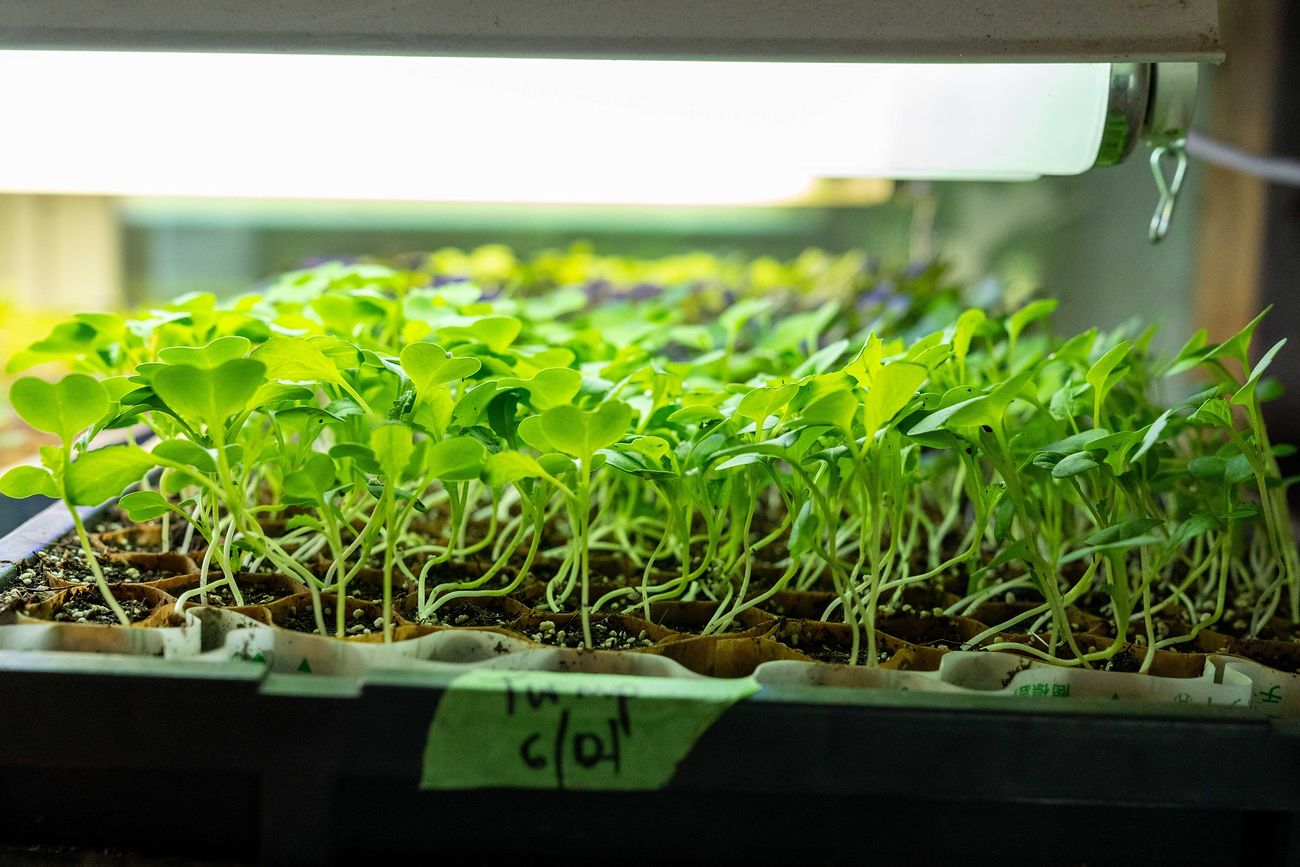
Indoor Planting Starting seeds indoors can give plants a head start before the outdoor growing season begins. Typically, indoor planting starts 4-8 weeks before the last frost date in your area. Here are some guidelines for when to start planting common vegetables and herbs indoors:

  • Tomatoes: 6-8 weeks before the last frost date
  • Peppers: 8-10 weeks before the last frost date
  • Broccoli: 6-8 weeks before the last frost date
  • Lettuce: 4-6 weeks before the last frost date
  • Basil: 6-8 weeks before the last frost date

Outdoor Planting When to start planting seeds outside depends on the frost dates in your area. Frost can damage or kill young plants, so it’s important to plant seeds after the last frost date has passed. Here are some general guidelines for outdoor planting:

  • Cool-season crops like peas, spinach, and kale can be planted as soon as the soil can be worked in the spring.
  • Warm-season crops like tomatoes, peppers, and cucumbers should be planted after the last frost date has passed and the soil has warmed up.
  • Root crops like carrots and beets can be planted as soon as the soil can be worked, but they may take longer to germinate in cold soil.

Transplanting Transplanting seedlings to a greenhouse or the garden can be a delicate process, but it’s essential for healthy growth. Here are some tips for transplanting seedlings:

  • Transplant seedlings after they have developed their first true leaves.
  • Harden off seedlings by gradually exposing them to outdoor conditions over a week or two before transplanting.
  • Water seedlings thoroughly before transplanting.
  • Plant seedlings in a hole deep enough to cover the stem up to the first set of leaves.
  • Water seedlings after transplanting and keep them moist until they become established.

As you can probably tell, timing is critical for successful seed germination and growth. By following these guidelines for when to start planting seeds inside, outside, or transplanting, you’ll be on your way to a bountiful and productive growing season.