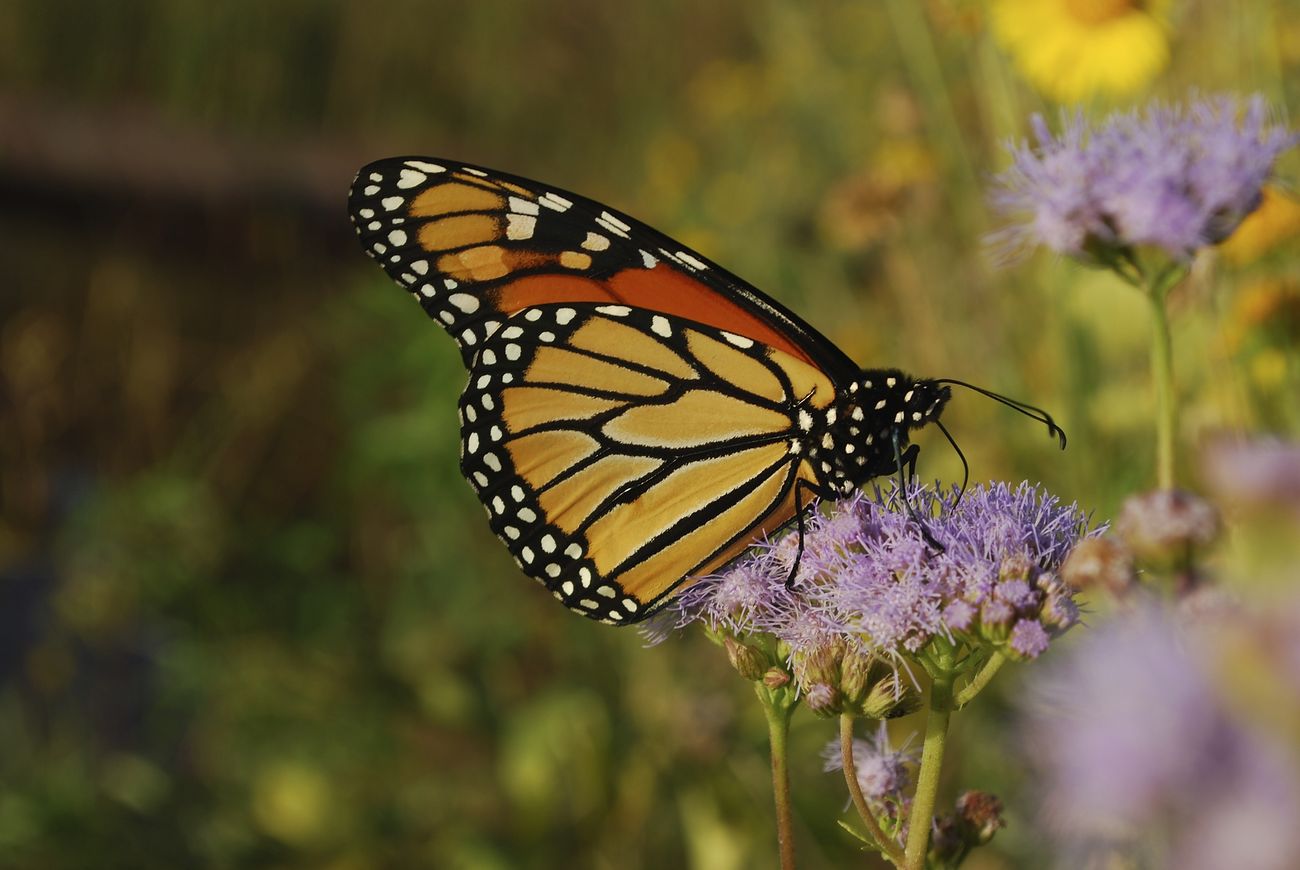
The Monarch butterfly is one of the most iconic and well-known butterfly species in North America. Every year, millions of these butterflies make a journey from Mexico to Canada and back, covering thousands of miles in the process. However, the Monarch population is in decline due to loss of habitat, climate change, and pesticide use. One way to help these beautiful creatures is by planting a Monarch-friendly garden. In this article, we’ll explore the Monarch butterfly migration and provide tips on creating a garden that will attract and support Monarchs.
Monarch butterflies are famous for their annual migration, which takes place between Mexico and Canada. During the winter, Monarchs cluster together in the oyamel fir forests of central Mexico, where they spend several months in a state of diapause, conserving energy until it’s time to make the return journey. When spring arrives, they begin their northward migration, stopping along the way to lay eggs on milkweed plants. The next generation of Monarchs continues the journey, and the process repeats until the butterflies reach their summer breeding grounds in Canada.
To help Monarch butterflies thrive and multiply, it’s important to provide them with the right habitat. The most important plant for Monarchs is milkweed, which is the sole food source for Monarch caterpillars. Without milkweed, the Monarch population cannot survive. Some species of milkweed that are particularly attractive to Monarchs include Common Milkweed (Asclepias syriaca), Swamp Milkweed (Asclepias incarnata), and Butterfly Weed (Asclepias tuberosa). It’s important to note that planting native species of milkweed is crucial, as non-native milkweeds can actually harm Monarch populations by providing inadequate nutrition for caterpillars.
In addition to milkweed, Monarchs also require nectar plants for adult butterflies. These plants provide essential nutrients for the butterflies as they make their journey. Some examples of nectar plants that are attractive to Monarchs include Black-eyed Susan (Rudbeckia hirta), Purple Coneflower (Echinacea purpurea), and Bee Balm (Monarda didyma). When choosing nectar plants, it’s important to select species that bloom at different times throughout the growing season to provide a continuous food source for the butterflies.
Creating a Monarch-friendly garden is not only beneficial for the butterflies, but also for other pollinators such as bees and butterflies. By planting native species and providing the right habitat, you can help create a healthy ecosystem that supports a diversity of species. With a little effort and some careful planning, you can turn your garden into a sanctuary for Monarch butterflies and help support their incredible migration for generations to come.
 Three Daughters Farm