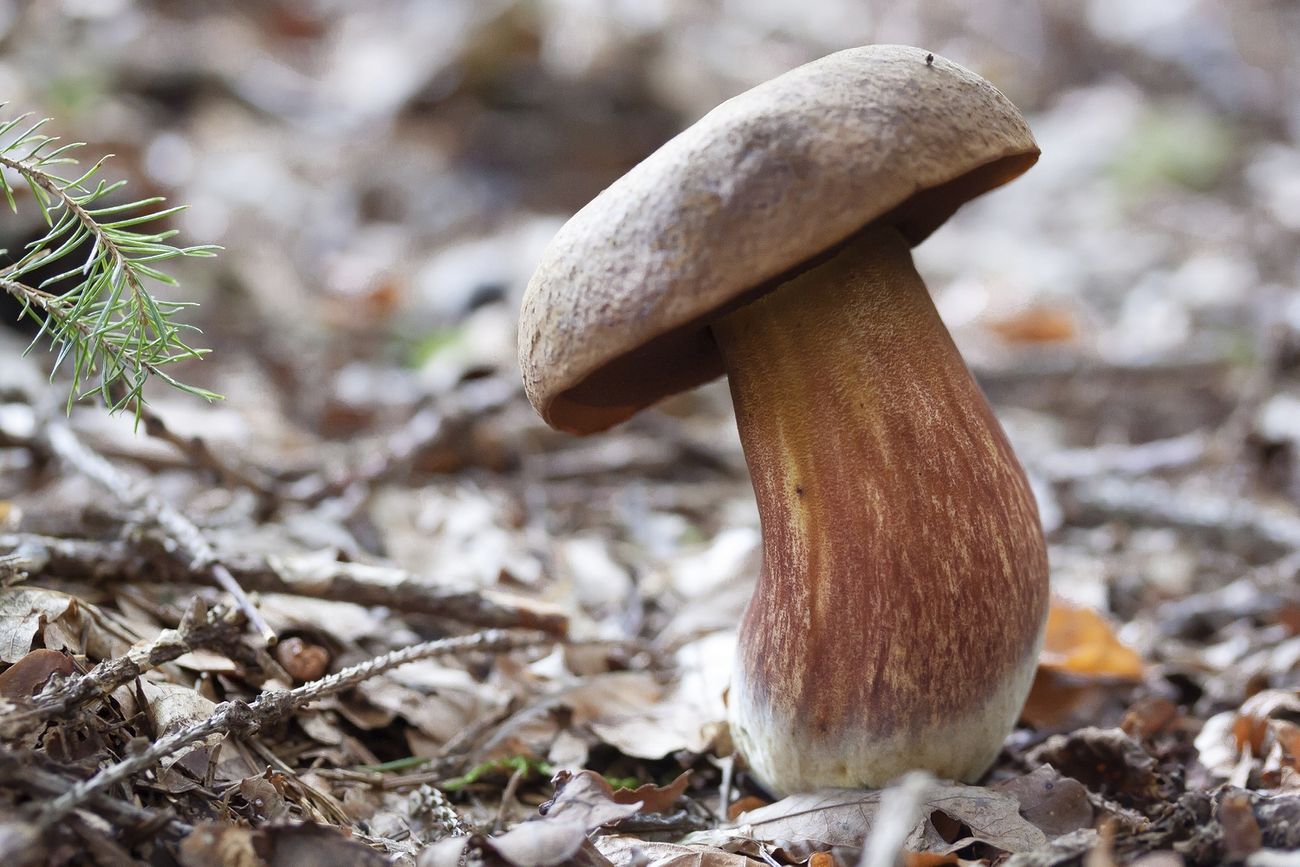
As you step into the forest, you feel a sense of excitement and anticipation. You’ve been looking forward to this day for weeks, ever since you planned your mushroom hunting trip in Michigan. You have your foraging basket, a map of the area, and a guidebook to help you identify the mushrooms you find.
You start to walk along the trail, scanning the forest floor for any signs of mushrooms. After a few minutes, you spot a small patch of orange mushrooms peeking out from under a pile of leaves. You consult your guidebook and identify them as chanterelles, a prized edible mushroom.
You carefully pick the chanterelles and place them in your basket, feeling proud of your first find. As you continue along the trail, you spot more mushrooms of different varieties, some of which you know are poisonous and others you’re not sure about.
You take your time, carefully examining each mushroom and consulting your guidebook to determine if it’s edible. You learn about the different types of mushrooms that grow in Michigan, and how to identify them by their shape, color, and texture.
As the sun starts to set, you make your way back to your car, satisfied with the day’s bounty. You can’t wait to clean and cook your mushrooms, and share them with your family and friends. Mushroom hunting in Michigan has been a rewarding and exciting experience, and you’re already planning your next trip.
Foraging for mushrooms in Michigan is a thrilling and rewarding experience. It’s a chance to explore the great outdoors, get some exercise, and potentially gather ingredients for a delicious meal. However, it’s important to approach mushroom hunting with caution, as some mushrooms can be toxic and potentially deadly if consumed.
That’s why correctly identifying mushrooms is crucial. While many mushrooms are safe to eat, there are also many lookalikes that are poisonous. Misidentifying a mushroom can have serious consequences, so it’s important to have a good understanding of the characteristics of different types of mushrooms.
In addition to the safety considerations, there’s also an element of excitement in the hunt for mushrooms. It’s like a treasure hunt, as you never know what you’ll find or where you’ll find it. Whether you’re a seasoned forager or a beginner, the thrill of the search is always there.
Foraging for mushrooms also allows you to connect with nature in a unique way. As you walk through the woods, you become attuned to your surroundings, noticing details that you might otherwise miss. It’s a chance to slow down and appreciate the beauty of the natural world.
Overall, mushroom hunting in Michigan is a fun and fulfilling activity, but it’s important to approach it with respect and caution. With the right knowledge and preparation, it’s a great way to get outside and explore the outdoors while gathering ingredients for a delicious meal.
When to Hunt for Mushrooms in Michigan
Mushroom hunting in Michigan typically starts in late spring, around May, and extends through the summer months. However, the exact timing of the season can vary depending on factors such as temperature and rainfall. Generally, warmer and wetter weather conditions create a more bountiful mushroom season.
It’s important to note that mushroom hunting should only be done during daylight hours and that hunters should be aware of their surroundings at all times. Additionally, some areas may require permits or have restrictions, so it’s important to research the specific rules and regulations for the area you plan to hunt in.
Where to Hunt for Mushrooms in Michigan
Michigan offers a variety of habitats that are suitable for different types of mushrooms. Here are a few examples of where you might find different types of mushrooms:
- Morel mushrooms: These highly sought-after mushrooms are typically found in forests with deciduous trees such as elms, ash, and oak. They often grow near dead or dying trees and may appear in areas that have been disturbed by fires or logging.
- Chanterelle mushrooms: These mushrooms are often found in forests with coniferous trees such as pine and spruce, as well as in mixed hardwood and coniferous forests. They grow on the ground and are commonly found in areas with moist soil.
- Chicken of the Woods mushrooms: These mushrooms can be found growing on the trunks or branches of hardwood trees, such as oak or maple. They are often found in older forests and may grow in large clusters.
- Hedgehog mushrooms: These mushrooms are typically found growing on the forest floor in mixed hardwood and coniferous forests. They have a distinctive tooth-like appearance on the underside of the cap.
Keep in mind that this is just a small sampling of the many types of mushrooms that can be found in Michigan. It’s important to research the specific types of mushrooms you are interested in hunting and their preferred habitats.
Types of Edible Mushrooms Found in Michigan
Mushroom hunting in Michigan can be a great way to spend a day in nature, and it is essential to know which mushrooms are edible and which are not. Some of the most commonly found edible mushrooms in Michigan include morels, chanterelles, and chicken of the woods. Here’s a closer look at each of them:
- Morels: Morels are the most sought-after mushrooms in Michigan, and they can be found from April to early June. They grow in a variety of habitats, including wooded areas, riverbanks, and burned or disturbed areas. Morels have a unique appearance with a sponge-like cap and a honeycomb-like surface. They are often used in gourmet dishes due to their rich and earthy flavor.
- Chanterelles: Chanterelles are another popular edible mushroom in Michigan. They are typically found from mid-summer to early fall, and they grow in deciduous and coniferous forests. Chanterelles have a trumpet-like shape with a golden-yellow or orange color. They have a mild and delicate flavor that pairs well with various dishes.
- Chicken of the Woods: Chicken of the Woods is a type of mushroom that grows on trees, particularly oak trees. They can be found from June to November and have a bright yellow-orange color. They are often used as a meat substitute in vegetarian dishes due to their meaty texture and savory flavor.
- Hen of the Woods (Maitake): This mushroom is typically found at the base of oak trees in the fall. It has a distinct, fan-like shape and is light to dark brown in color. The texture is meaty and tender, making it a great substitute for meat in vegetarian dishes.
- Black Trumpet: This mushroom is also known as horn of plenty due to its funnel shape. It is typically found in the fall and can be found growing on dead or dying hardwoods such as beech or oak. Its color ranges from dark brown to black, and its texture is slightly chewy with a subtle woodsy flavor.
- Lobster Mushroom: This mushroom is actually a fungus that grows on other mushrooms, typically Russula or Lactarius species. It gets its name from its bright orange-red color and seafood-like flavor. It is found in late summer and early fall and can be found growing in forests or grassy areas.
- Hedgehog Mushroom: These mushrooms have a distinctive toothed underside instead of gills, making them easy to identify. They have a nutty, sweet flavor and are typically found growing on the ground near conifers.
- Puffball Mushroom: These round mushrooms can grow to be quite large, and are easily recognized by their smooth, white exterior. They can be found growing in fields and forests in late summer and early fall, and are best when cooked soon after harvesting.
It’s crucial to correctly identify mushrooms before consuming them, and these descriptions can help you identify these common edible mushrooms in Michigan. However, it’s important to note that some mushrooms can be easily confused with poisonous varieties, so it’s always best to double-check with an expert or field guide.
Identifying Edible and Poisonous Mushrooms in Michigan
Mushroom identification can be a challenging task, but there are some basic characteristics you can look for to help determine if a mushroom is edible or poisonous. One important thing to note is that it is essential to use multiple identification factors and to have a high degree of certainty before consuming any wild mushroom.
Color is one of the easiest ways to differentiate between mushrooms. Edible mushrooms often have natural earthy colors like brown, tan, and yellow, while poisonous mushrooms tend to have more vibrant colors, such as bright red, orange, or green. However, some poisonous mushrooms can also be brown, so it’s important not to rely solely on color for identification.
Shape is another characteristic to pay attention to. Many edible mushrooms have caps that are either convex or flat, while many poisonous mushrooms have caps that are either bell-shaped or conical. Edible mushrooms also often have gills that are either white or a light color, while poisonous mushrooms may have gills that are darker or even black.
Smell is another important factor in identifying mushrooms. Many edible mushrooms have a pleasant, earthy smell, while poisonous mushrooms can have a musty or pungent odor. However, some poisonous mushrooms may also have a pleasant smell, so it’s important to use multiple identification factors.
To accurately identify mushrooms, it’s essential to consult a reputable field guide or expert in mushroom identification. Additionally, it’s crucial to gather mushrooms for identification that are in good condition, with intact caps and stems, so that all the necessary features can be examined.
It’s important to note that some edible mushrooms have poisonous look-alikes, so it’s essential to learn to identify the differences between them. When in doubt, it’s always best to err on the side of caution and not consume a mushroom unless you are absolutely sure of its identification.
Cooking and Preserving Mushrooms
After you’ve collected your mushrooms, it’s important to properly clean and prepare them for cooking. Begin by wiping off any dirt or debris with a damp cloth or paper towel. Do not wash them with water, as mushrooms can absorb a lot of liquid and become mushy. You can use a soft-bristled brush to clean them as well.
Next, depending on the recipe you’re using, you may need to slice, chop, or leave the mushrooms whole. For example, sautéed mushrooms may require slicing, while mushroom soup may require chopping.
There are many delicious recipes that you can make with your foraged mushrooms. Here are a few to get you started:
- Sautéed Mushrooms: Heat some butter or oil in a pan and sauté sliced mushrooms until they are golden brown. Add garlic, herbs, and salt and pepper to taste.
- Mushroom Soup: Sauté chopped onions and garlic in butter until they are soft. Add sliced mushrooms and cook until they release their liquid. Pour in chicken or vegetable broth and simmer until the mushrooms are tender. Blend the soup until smooth, then season with salt, pepper, and cream or milk to taste.
- Mushroom Jerky: Slice mushrooms thinly and marinate them in a mixture of soy sauce, Worcestershire sauce, liquid smoke, and garlic powder for a few hours. Bake in a low oven until they are dry and chewy.
- Mushroom Risotto: Sauté chopped onions and garlic in butter until they are soft. Add Arborio rice and cook until it is coated in butter. Pour in chicken or vegetable broth, a ladleful at a time, stirring until the liquid is absorbed before adding more. Once the rice is cooked, stir in sautéed mushrooms, grated Parmesan cheese, and chopped parsley.
By following these tips for cleaning and preparing your mushrooms and trying out some of these recipes, you’ll be able to make the most out of your foraged mushrooms and enjoy their unique flavor in a variety of ways.
Enjoy Michigan Mushroom Season!
The joys of mushroom hunting in Michigan are countless. It is an exciting and rewarding activity that gets you outdoors, exploring the natural world around you. You can enjoy the beauty of the forests while finding delicious and nutritious mushrooms. Moreover, it is a fun activity to share with friends and family, creating new memories and traditions.
Before you go mushroom hunting, it is essential to take some safety precautions. Always bring a field guide or a reliable resource for mushroom identification, wear appropriate clothing and footwear, and inform someone of your whereabouts. Remember to harvest mushrooms responsibly, leaving some for others and the ecosystem. With these tips in mind, you can safely and successfully enjoy the many benefits of mushroom hunting in Michigan.
 Three Daughters Farm