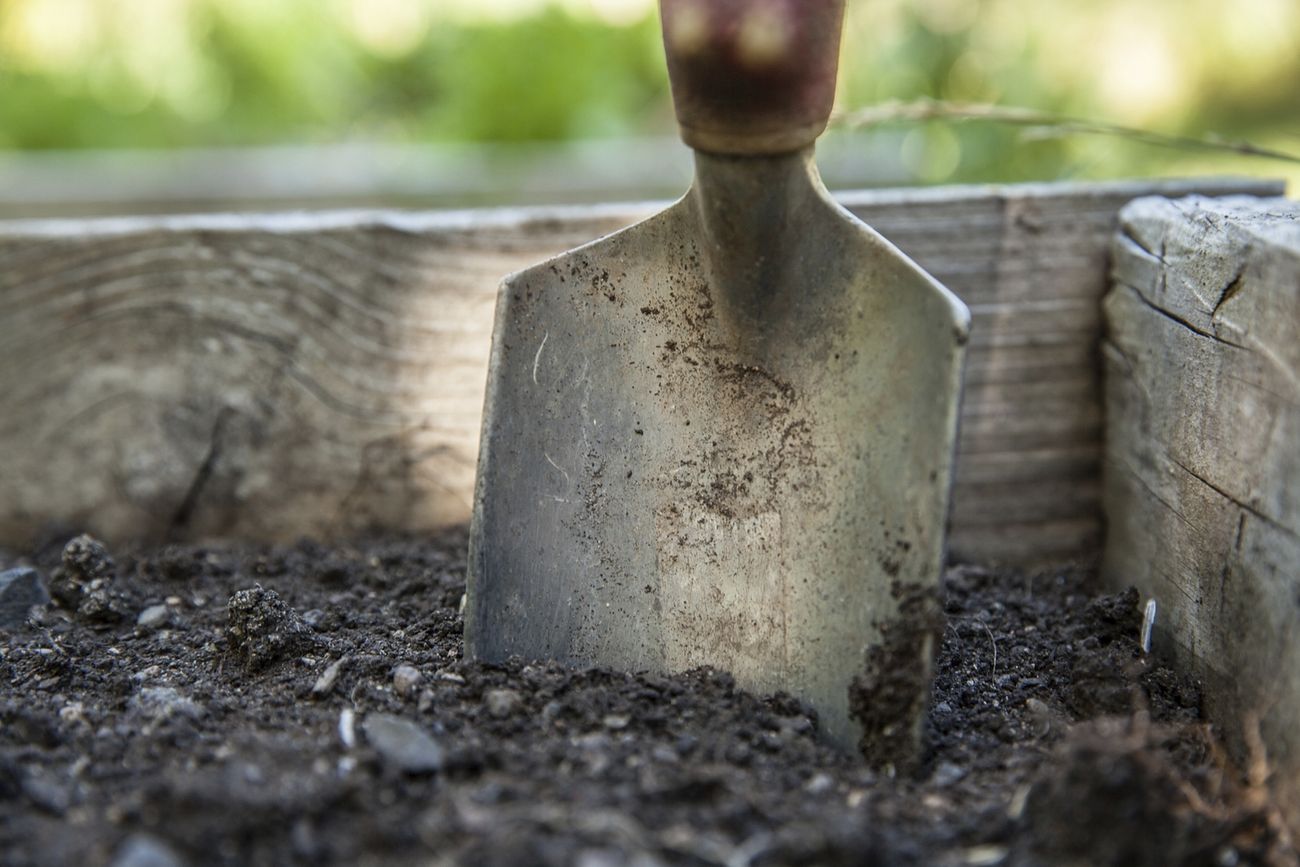
Soil health is a crucial factor in the success of any garden. Healthy soil provides the necessary nutrients and water to support plant growth and is essential to the overall health of the ecosystem. In this article, we will discuss the importance of soil health for successful gardening, including the role of soil structure, the importance of organic matter, the benefits of soil testing, and how to improve soil health.
Understanding Soil Structure
Soil structure refers to the way soil particles are arranged and how they interact with each other. The ideal soil structure is porous, allowing for good water and air circulation. This is important because plant roots need both water and oxygen to thrive. Soil structure is influenced by factors such as soil type, drainage, and the presence of organic matter.
Importance of Organic Matter
Organic matter is essential for healthy soil. It provides the necessary nutrients for plant growth and helps to improve soil structure. Organic matter can come from a variety of sources, including compost, animal manure, and cover crops. Incorporating organic matter into your soil can improve soil fertility, water retention, and overall plant health.
Benefits of Soil Testing
Soil testing is an essential tool for maintaining soil health. It can help identify nutrient deficiencies and soil pH levels, which can impact plant growth. Soil testing can also help determine the appropriate amount of fertilizer to use, reducing the risk of over-fertilization, which can harm the environment.
How to Improve Soil Health
There are several ways to improve soil health. One of the most effective methods is to incorporate organic matter into the soil. This can be done by adding compost, animal manure, or cover crops. Cover crops can also help improve soil health by preventing erosion and adding nutrients back into the soil. Crop rotation is another method that can help improve soil health by reducing disease and pest pressure.
The Role of Mulch
Mulch is another important factor in soil health. It helps to conserve moisture, reduce weed growth, and regulate soil temperature. Mulch can come in the form of organic materials such as leaves, straw, and grass clippings, or inorganic materials such as rocks or plastic.
The Benefits of Composting
Composting is an effective way to improve soil health while reducing waste. Composting involves the breakdown of organic material, resulting in a nutrient-rich soil amendment. Compost can help improve soil structure, water retention, and overall plant health.
Importance of Water Management
Proper water management is crucial to maintaining soil health. Overwatering can lead to poor soil structure and the loss of nutrients, while under watering can lead to stunted plant growth. It is essential to understand the water requirements of different plants and to water accordingly.
The Role of Beneficial Microorganisms
Beneficial microorganisms play an essential role in soil health. They help to break down organic matter, improve soil structure, and promote nutrient uptake in plants. Some common beneficial microorganisms include mycorrhizae and rhizobia.
Avoiding Soil Compaction
Soil compaction can occur when soil particles are compressed, leading to poor soil structure and reduced air and water circulation. Soil compaction can be avoided by minimizing traffic on the soil, avoiding working in wet soil, and using proper tillage techniques.
Preventing Soil Erosion
Soil erosion can occur when soil is exposed to wind or water. It can lead to the loss of valuable topsoil and nutrients. Preventing soil erosion can be done by planting cover crops, using mulch, and avoiding soil disturbance on slopes.
The Role of Crop Diversity
Crop diversity is essential for maintaining soil health. Different crops have different nutrient requirements, allowing for the replenishment of nutrients in the soil. Crop diversity can also help reduce the risk of disease and pest pressure.
Choosing the Right Plants
Once you have determined the health of your soil and made any necessary amendments, it’s time to start thinking about what plants you want to grow. It’s important to choose plants that are suited to your climate, soil type, and available sunlight. You should also consider whether the plants are annuals, perennials, or biennials. Annual plants complete their life cycle in one growing season, while perennials come back year after year. Biennials take two years to complete their life cycle.
In addition to climate and soil considerations, you should also choose plants that are well-suited to your gardening goals. If you’re interested in growing a vegetable garden, choose plants that are known to produce bountiful yields and that are high in nutrition. Some popular vegetable plants for a beginner’s garden include tomatoes, lettuce, beans, peas, and peppers.
If you’re interested in creating a flower garden, choose plants that will thrive in your specific conditions and that are known to be low maintenance. Some great options for a low-maintenance flower garden include daisies, black-eyed susans, daylilies, and coreopsis.
It’s also important to consider the pollinators in your area when choosing plants. Pollinators like bees, butterflies, and hummingbirds are crucial for successful gardening, as they help plants produce fruit and seeds. To attract pollinators, choose plants that are known to be pollinator-friendly, such as lavender, coneflower, and milkweed.
Maintaining Soil Health
Once you’ve established your garden and planted your chosen crops, it’s important to continue maintaining the health of your soil. This can be done through a variety of practices, such as crop rotation, composting, and cover cropping.
Crop rotation is the practice of planting different crops in different areas of your garden each year. This helps prevent the buildup of pests and diseases that can occur when the same crops are grown in the same area year after year. Crop rotation also helps maintain the nutrient balance of your soil, as different plants require different nutrients.
Composting is another great way to maintain soil health. Compost is made up of organic matter like food scraps and yard waste, and it can be used to improve soil fertility and structure. Composting also helps reduce waste and can be done in a variety of ways, from building a traditional compost pile to using a worm bin.
Cover cropping is the practice of planting crops specifically to protect and improve soil health. Cover crops are typically planted in the fall or winter, and they can help prevent soil erosion, improve soil structure, and suppress weeds.
As you can see now, maintaining soil health is crucial for successful gardening. By understanding the composition of your soil and making any necessary amendments, choosing the right plants for your garden, and maintaining soil health through practices like crop rotation, composting, and cover cropping, you can create a garden that is both beautiful and bountiful. Whether you’re interested in growing vegetables, flowers, or a combination of both, healthy soil is the foundation for a successful garden.
 Three Daughters Farm