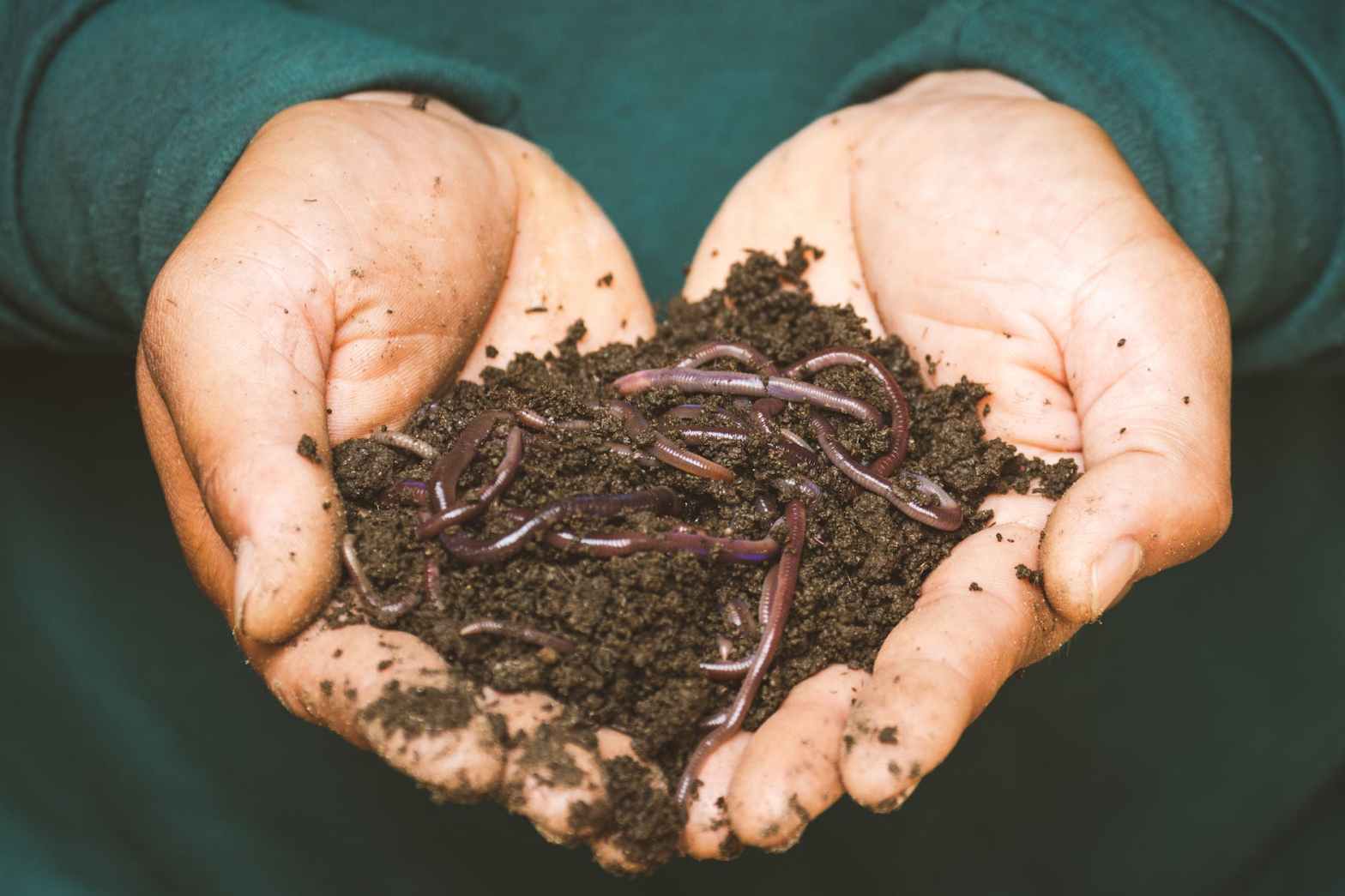
Composting is a great way to reduce waste and create nutrient-rich soil for your garden. However, it’s important to build a safe and healthy compost system in your backyard to prevent potential hazards.
How to build a compost bin
Here’s a step-by-step guide to building a safe and healthy compost system in your backyard:
Step 1: Choose a Location
The first step in building a safe and healthy compost system is choosing the right location. Select a spot that is well-drained, has good air circulation, and receives some shade. Avoid placing the compost system near a water source, as it can contaminate the water with pathogens and other pollutants.
Step 2: Select a Container
Next, select a container for your compost system. There are a variety of options available, including plastic bins, wooden boxes, and wire cages. Choose a container that is at least 3 feet wide and 3 feet tall, with a capacity of at least 10 cubic feet.
Step 3: Add Compost Materials
Once you have your container in place, it’s time to start adding compost materials. Compost materials can include kitchen scraps, yard waste, and other organic matter. Be sure to avoid adding meat, dairy, and pet waste, as these materials can attract pests and potentially spread disease.
Step 4: Layer Your Compost Materials
To build a healthy compost system, it’s important to layer your compost materials properly. Start with a layer of dry, brown materials like leaves or shredded paper, followed by a layer of green materials like vegetable scraps and grass clippings. Continue layering brown and green materials until the container is full.
Step 5: Add Water
Composting requires moisture to work properly, so it’s important to add water to your compost system. Aim for a moisture level of around 50%, which is roughly the same as a damp sponge. Be careful not to add too much water, as this can cause the compost to become too wet and create an unpleasant odor.
Step 6: Turn Your Compost
To ensure that your compost breaks down properly, it’s important to turn it regularly. Use a pitchfork or shovel to mix the compost materials, ensuring that air can circulate throughout the container. Turning the compost every 2-3 weeks will help speed up the composting process.
Step 7: Wait for Your Compost to Mature
Composting can take anywhere from a few weeks to several months, depending on the materials used and the weather conditions. Be patient and wait for your compost to mature before using it in your garden. Once the compost has a dark, crumbly texture and a pleasant earthy smell, it’s ready to use.
Composting is a great way to reduce waste and create nutrient-rich soil for your garden. However, maintaining your compost bin is crucial for it to function properly. In this blog post, we’ll discuss some tips for maintaining your compost bin and explore the different uses for compost throughout the four seasons we experience in West Michigan.
How to maintain your compost bin
- Monitor Moisture Levels: Compost needs moisture to break down properly, but too much water can cause the compost to become slimy and smelly. Aim for a moisture level of around 50%, which is roughly the same as a damp sponge. If the compost is too wet, add dry materials like leaves or shredded paper to absorb the excess moisture.
- Turn Your Compost: Turning your compost helps to distribute oxygen and accelerate the decomposition process. Use a pitchfork or shovel to mix the materials in your compost bin every 2-3 weeks. If you have a tumbler compost bin, you can simply turn the handle to mix the materials.
- Balance Green and Brown Materials: Green materials like fruit and vegetable scraps, grass clippings, and coffee grounds provide nitrogen, while brown materials like leaves, straw, and shredded paper provide carbon. A good rule of thumb is to aim for a 3:1 ratio of brown to green materials.
- Avoid Meat and Dairy Products: Meat, dairy, and pet waste can attract pests and cause unpleasant odors. Stick to plant-based materials like fruits, vegetables, and yard waste.
How to use your compost throughout the year
Now, let’s explore the different uses for compost throughout the four seasons we experience in West Michigan.
Spring
Spring is the perfect time to start using your compost in your garden. Spread a layer of compost over your garden beds and mix it into the soil. This will help to nourish your plants and improve soil health. You can also use compost to start seedlings indoors. Mix compost with potting soil to create a nutrient-rich growing medium for your plants.
Summer
In the summer, compost can help to retain moisture in your garden soil. Spread a layer of compost around your plants to help them retain water and stay hydrated. You can also use compost to make compost tea, which is a liquid fertilizer made by steeping compost in water. Use compost tea to water your plants and provide them with extra nutrients.
Fall
In the fall, use compost to prepare your garden for winter. Spread a layer of compost over your garden beds and mix it into the soil. This will help to protect your plants and improve soil health over the winter. You can also use compost to mulch your garden beds, which will help to retain moisture and prevent soil erosion.
Winter
In the winter, you can continue to add materials to your compost bin, but the decomposition process will slow down due to the colder temperatures. You can also use compost in the winter to make seed starting mix. Mix compost with potting soil to create a nutrient-rich growing medium for your seedlings.
Happy composting!
 Three Daughters Farm