Agriculture is one of the oldest human pursuits, and over the centuries, farmers have been innovating and adapting to new technologies to increase their productivity and yields. Today, we are living in an era of rapid technological advancement, and the impact of technology on agriculture has never been more apparent.
To start, let’s take a look back at ancient times. In the early days of agriculture, farmers were dependent on simple tools such as hoes and plows, which were pulled by animals. They also relied on traditional methods such as crop rotation and companion planting to maintain soil fertility and protect their crops from pests. These methods were effective, but labor-intensive, and the yields were relatively low.
As time went on, the agricultural revolution of the 18th and 19th century brought about new technologies such as the seed drill and the threshing machine, which greatly increased the efficiency of planting and harvesting crops. These machines were powered by steam engines, which represented a major step forward in mechanization.
Fast forward to the 20th century, and the introduction of gasoline-powered tractors and other machinery revolutionized agriculture once again. These machines greatly increased the speed and efficiency of planting, cultivating and harvesting crops. They also allowed farmers to work larger plots of land, which increased productivity and yields.
In recent years, technology has continued to evolve at an unprecedented pace, and we have seen the introduction of precision agriculture and precision farming. Precision agriculture uses data and technology such as GPS mapping and remote sensing to create detailed maps of fields and manage inputs such as fertilizers, pesticides, and water. This precision farming approach allows farmers to use resources more efficiently and reduce waste, resulting in better crop yields and economic returns.
In addition, we also have seen the incorporation of advanced technologies such as drones, robots, and artificial intelligence in modern farming. Drones can be used for crop monitoring and imaging, robots for planting and harvesting, and AI for analyzing data and making predictions about weather, pests and crop growth patterns. These technologies are helping to make farming more efficient, cost-effective, and sustainable.
On the other hand…
As technology continues to advance at a rapid pace, it’s easy to believe that new technologies are always the key to solving problems and increasing efficiency in all industries, including agriculture. However, this is not always the case, and in some instances, age-old methods and equipment can be just as effective, if not more so, than modern technology.
For example, traditional farming methods such as crop rotation and companion planting have been used for centuries to maintain soil fertility and protect crops from pests. These methods are based on a deep understanding of the natural processes that govern plant growth and are less dependent on the use of chemicals.
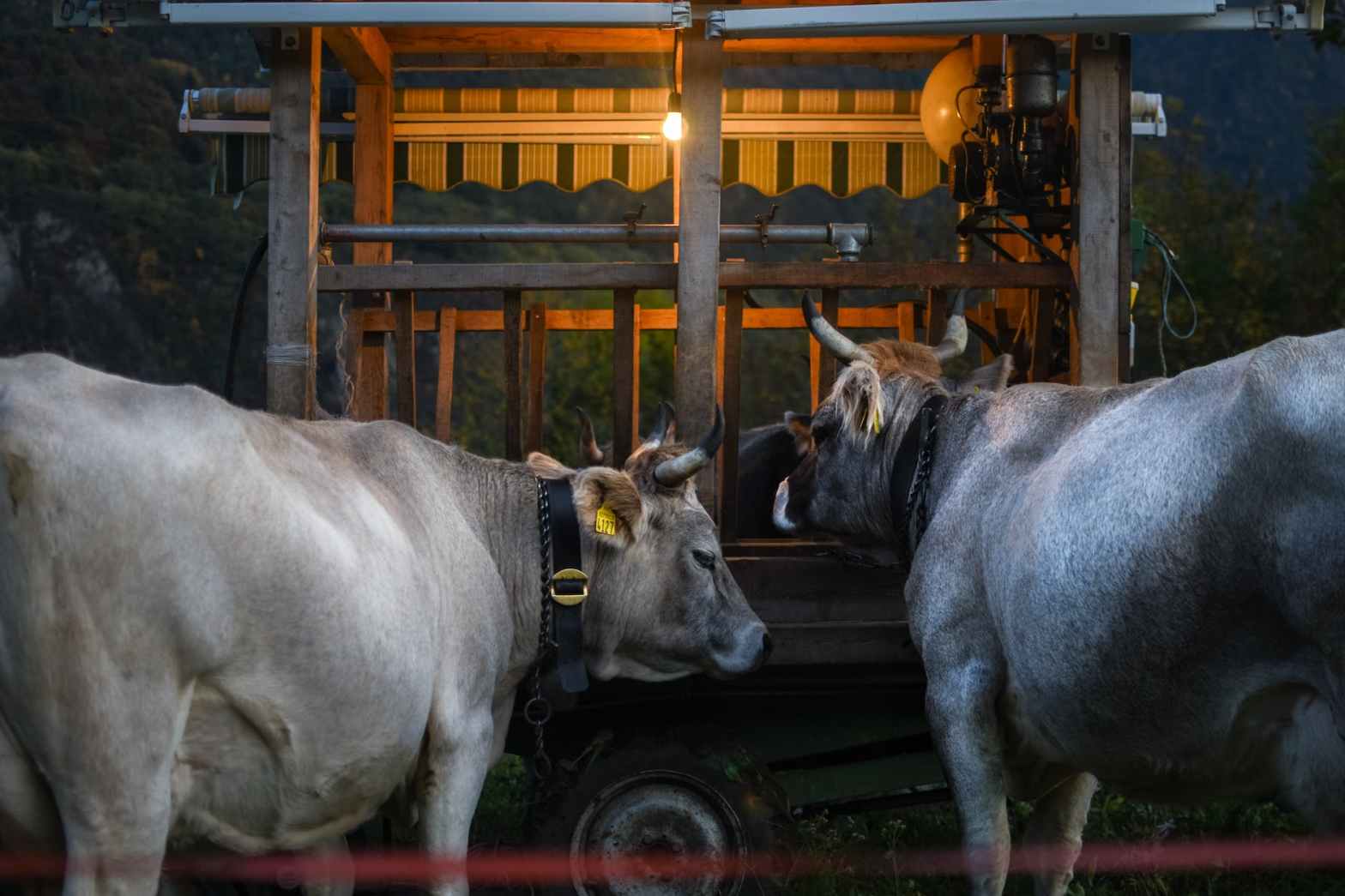
Similarly, traditional animal breeds that have been adapted to local conditions and developed resistance to diseases over centuries, are now being overshadowed by new, genetically modified breeds. Research has shown that these traditional breeds are often more resilient and better suited to their local environments than their genetically modified counterparts.
The use of modern technology like pesticides and herbicides has been highly criticized in recent years for their negative impact on the environment and human health. These chemicals have been linked to the decline of pollinators such as bees and butterflies, and have been found to contaminate water sources and cause health problems for people living near agricultural areas.
In many cases, modern technology in agriculture has failed to improve upon age-old methods and equipment. Instead, it has led to increased dependence on chemicals and a loss of biodiversity. It’s important to remember that there is often value in traditional methods and equipment and that they should not be dismissed outright in favor of new technology.
Technology has played a vital role in the evolution of agriculture, and it continues to play an essential role in modern farming. From the simple tools used by ancient farmers to the advanced technologies of today, technology has enabled farmers to grow more crops, increase their yields, and reduce their costs. However, while technology has brought many benefits to agriculture, it’s essential to remember that age-old methods and equipment can still be highly effective.
 Three Daughters Farm