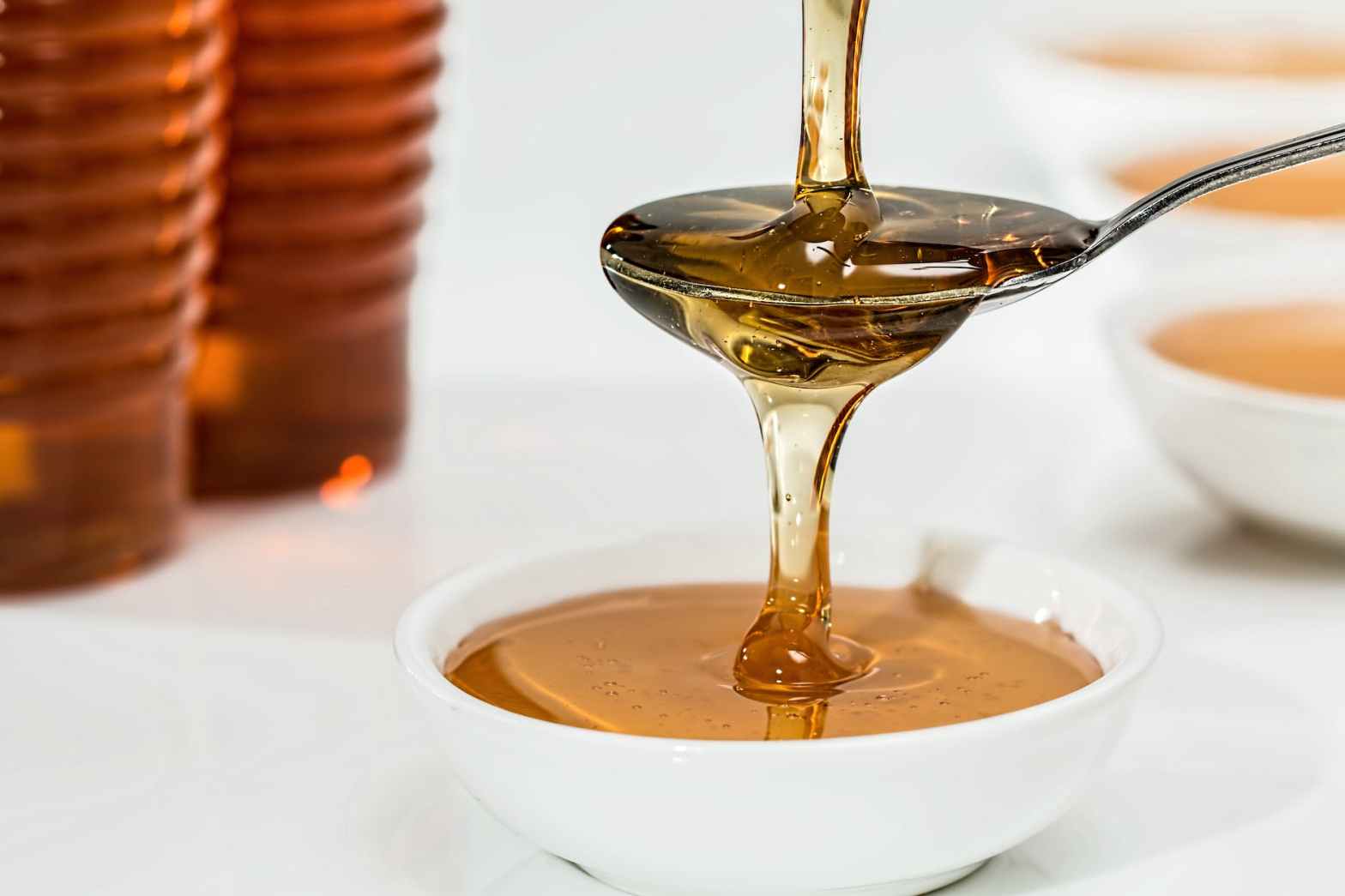
Starting a small maple syrup operation can be a fun and rewarding way to tap into the natural resources of your land and create a delicious and sought-after product. The process of making maple syrup involves tapping the sap of sugar maple trees, collecting it, and then boiling it down to create a concentrated syrup. Here is an overview of the equipment you will need to start your own small maple syrup operation.
First, you will need to have access to sugar maple trees. These trees are native to North America and can be found in many parts of the United States and Canada. They are typically found in hardwood forests and are identified by their smooth gray bark and three-lobed leaves.
Once you have identified the trees that you will be tapping, you will need to purchase or rent a tapping kit. This kit will include a drill, a tap, and a bucket or collection container. The drill is used to make a small hole in the tree, the tap is inserted into the hole, and the bucket or container is attached to the tap to collect the sap.
Next, you will need a way to transport the sap from the trees to your boiling location. This can be done using plastic or metal sap buckets or by using a sap collection system that pumps the sap directly from the tree to a holding tank.
Once you have collected the sap, you will need to boil it down to create the syrup. This can be done using a large outdoor evaporator or a smaller indoor stove-top setup. The evaporator or stove-top will need to be equipped with a heat source, such as a wood-fired or propane burner, and a large pan or container for the sap.
As the sap boils down, it will become more concentrated and will eventually turn into syrup. To test the syrup, you will need a syrup hydrometer or a sugar thermometer to determine when the syrup has reached the correct density and sugar content.
Finally, you will need bottles or containers to store and sell the syrup. Glass or plastic bottles with tight-fitting lids are the best option. You will also need labels to identify the syrup and any other necessary information, like the date it was bottled, the grade of syrup and where it is from.
There are several types of trees that produce sap that can be used to make maple syrup, but the most commonly used tree is the sugar maple (Acer saccharum). Other trees that can be used to make syrup include:
- Black Maple (Acer nigrum): This tree is closely related to the sugar maple and produces sap with a similar sugar content. The syrup made from black maple sap is often darker and has a stronger flavor than syrup made from sugar maple sap.
- Red Maple (Acer rubrum): This tree is also closely related to the sugar maple and produces sap with a lower sugar content. The syrup made from red maple sap is typically lighter in color and has a milder flavor than syrup made from sugar maple sap.
- Silver Maple (Acer saccharinum): This tree is less commonly used for syrup production, but produces sap with a higher sugar content than the red maple. The syrup made from silver maple sap is typically light in color and has a milder flavor than syrup made from sugar maple sap.
- Box Elder (Acer negundo): This tree is not as commonly used for syrup production as the sugar, black, red, and silver maple. The sap from the Box elder tree is watery and less sweet, but can be used to make syrup. The syrup made from Box elder sap is typically darker, has a stronger flavor and is less sweet than syrup made from sugar maple sap.
It’s important to note that the color and flavor of the syrup can also be affected by other factors such as the time of year the sap is collected, the weather conditions during collection, and how long the sap is boiled. Additionally, the syrup’s color and flavor also vary depending on the region and the specific trees used to make it.
In general, maple syrup can be divided into different grades, the most common are:
- Grade A: Light Amber (delicate taste), Medium Amber (Rich Taste) and Dark Amber (Robust Taste)
- Grade B: This grade is made from sap collected later in the season, is darker and has a stronger flavor than Grade A syrup.
It’s worth noting that the process of making syrup from other types of trees such as Birch, Walnut or Sycamore, is not as common as the previously mentioned and may require different methods and equipment. Additionally, it’s important to check with the regulations of your state, province or country regarding the tapping of other type of trees other than maple.
 Three Daughters Farm